 Boiler Services Edinburgh
Boiler Leaking Water Edinburgh - What It Means and What to Do

A puddle beneath your boiler is not something to ignore. Water escaping from a pressurised heating system can damage flooring and electrics, accelerate internal corrosion, and in some cases signal a fault that will get worse quickly. Knowing why the leak is happening shapes every decision you make next.
Why Boilers Leak Water
Most boiler leaks trace back to one of four causes: a failed pressure relief valve, a corroded heat exchanger, loose or degraded pipe fittings, or a worn pump seal. Each has a different severity level.
Pressure Relief Valve Discharge
The pressure relief valve (PRV) releases water deliberately when boiler pressure climbs too high, typically above 3 bar. If your pressure gauge reads above 2.5 bar and water is dripping from a small pipe exiting through an external wall, the PRV is doing its job, but the underlying cause of high pressure still needs to be found. A heating engineer will check whether the expansion vessel has failed or whether the system has been overfilled.
Corroded Heat Exchanger
The heat exchanger is the component that transfers heat from the burner to your water supply. Hairline cracks develop over time, especially in older boilers. Repair is rarely cost-effective once the heat exchanger has failed, and replacement parts for boilers older than 10 years can be difficult to source.
Pipe Fittings and Joints
Compression fittings around the boiler can loosen through years of thermal expansion and contraction. These leaks are usually minor, appearing as dampness rather than a steady drip. A Gas Safe registered heating engineer can tighten or reseal the joint in a single visit.
Pump Seal Failure
The central heating pump circulates water around your radiators. Its internal seal degrades over time, allowing water to seep out around the pump housing. Left unaddressed, a seeping pump seal will eventually fail completely, stopping circulation and leaving you without heating or hot water.
Immediate Steps to Take
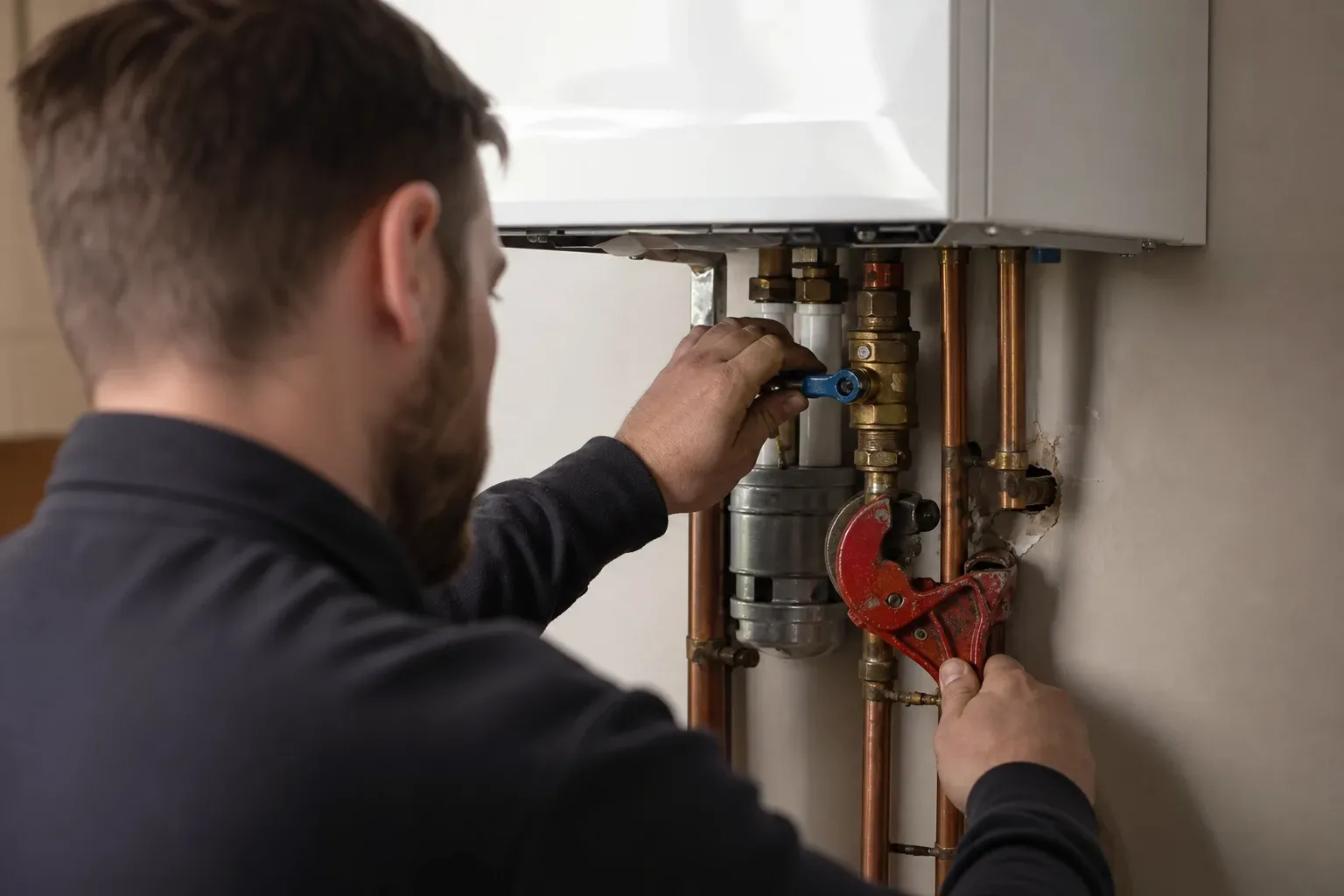
Turn the boiler off at the appliance itself, not just at the thermostat. Switch off the cold water supply to the boiler if you can locate the isolation valve, usually on the pipework entering the unit. Place towels or a container under the leak to protect flooring, and move any electrical items away from standing water. If the water has reached a plug socket or consumer unit, treat it as an electrical hazard and isolate the power at the fuse board before touching anything.
Do not attempt to open the boiler casing or adjust internal components. Modern boilers contain pressurised water and flammable gas. Only a Gas Safe registered engineer should work inside the unit.
When to Call an Emergency Heating Engineer
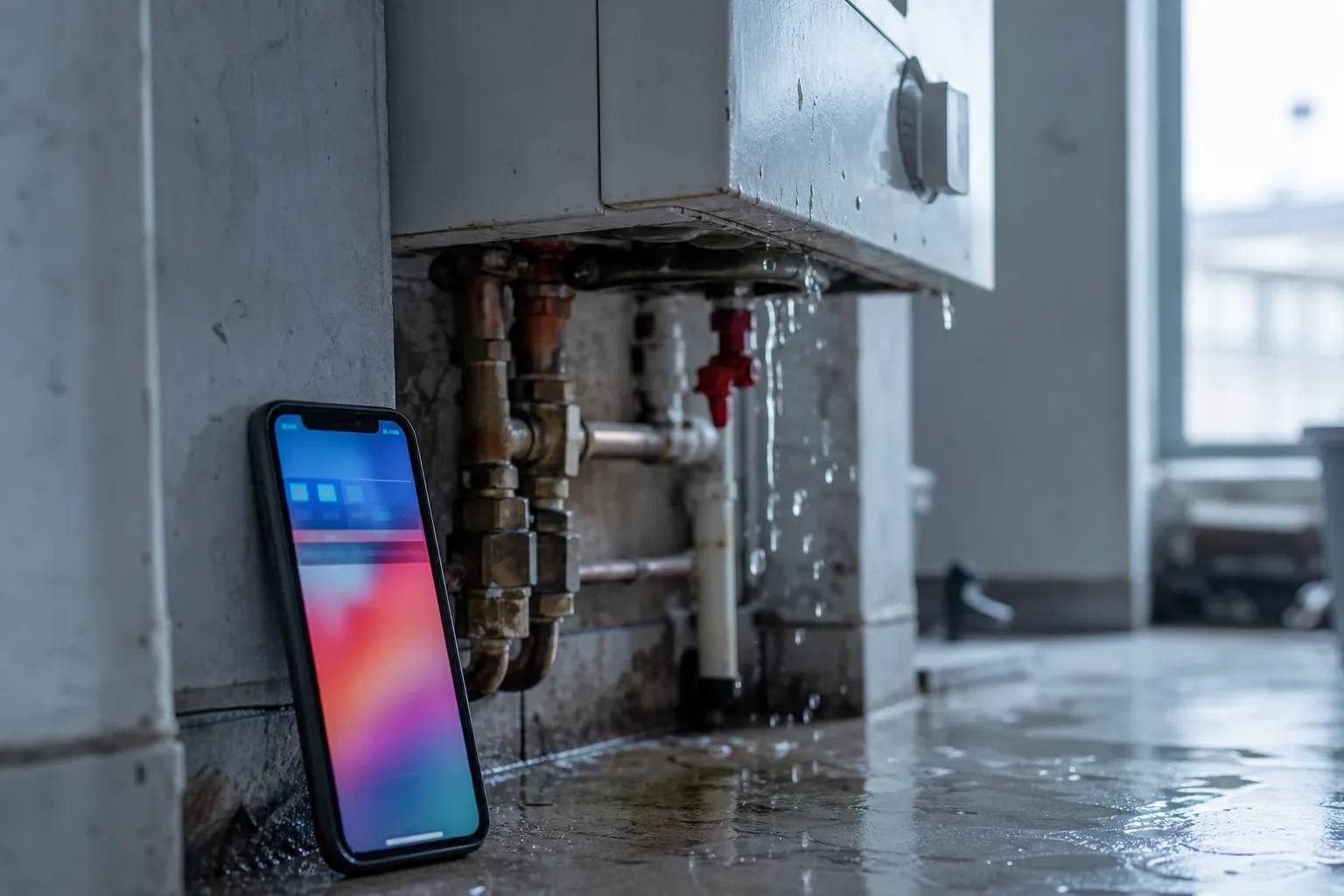
Call immediately if the leak is rapid rather than a slow drip, if you smell gas alongside the water, if the water has reached electrical fittings, or if you have no way to isolate the boiler's water supply. Edinburgh heating engineers offering emergency callouts typically aim to reach you within 2–4 hours. Emergency out-of-hours callouts are priced at £150–£250, covering evenings, weekends, and bank holidays.
For a slow seep with no electrical risk, a standard callout booked for the next working day is usually safe. Standard diagnostic visits run £80–£150, with parts charged separately.
Repair or Replace - How to Decide
Boilers typically last 10–15 years. If yours is within that window and the fault is a single identifiable component such as a pump seal or a loose fitting, repair is straightforward and cost-effective. If the boiler is older than 12 years, has leaked before, or requires a heat exchanger replacement, the repair cost can approach or exceed the cost of a new installation.
A new combi boiler supply and fit in Edinburgh runs £2,000–£3,500, depending on boiler grade and the complexity of the existing pipework. System or heat-only boilers range from £2,500–£4,500. A new boiler also comes with a manufacturer warranty of 5–12 years, depending on the brand and model. Worcester Bosch and Vaillant typically sit at the higher end of that warranty range.
Signs That Replacement Makes More Sense
Repair bills that are recurring rather than isolated, a heat exchanger that is cracked or corroded, boiler age beyond 12 years, and rising energy bills despite a recently serviced unit all point toward replacement being the better financial decision over a 3–5 year horizon.
How to Reduce the Risk of Future Leaks
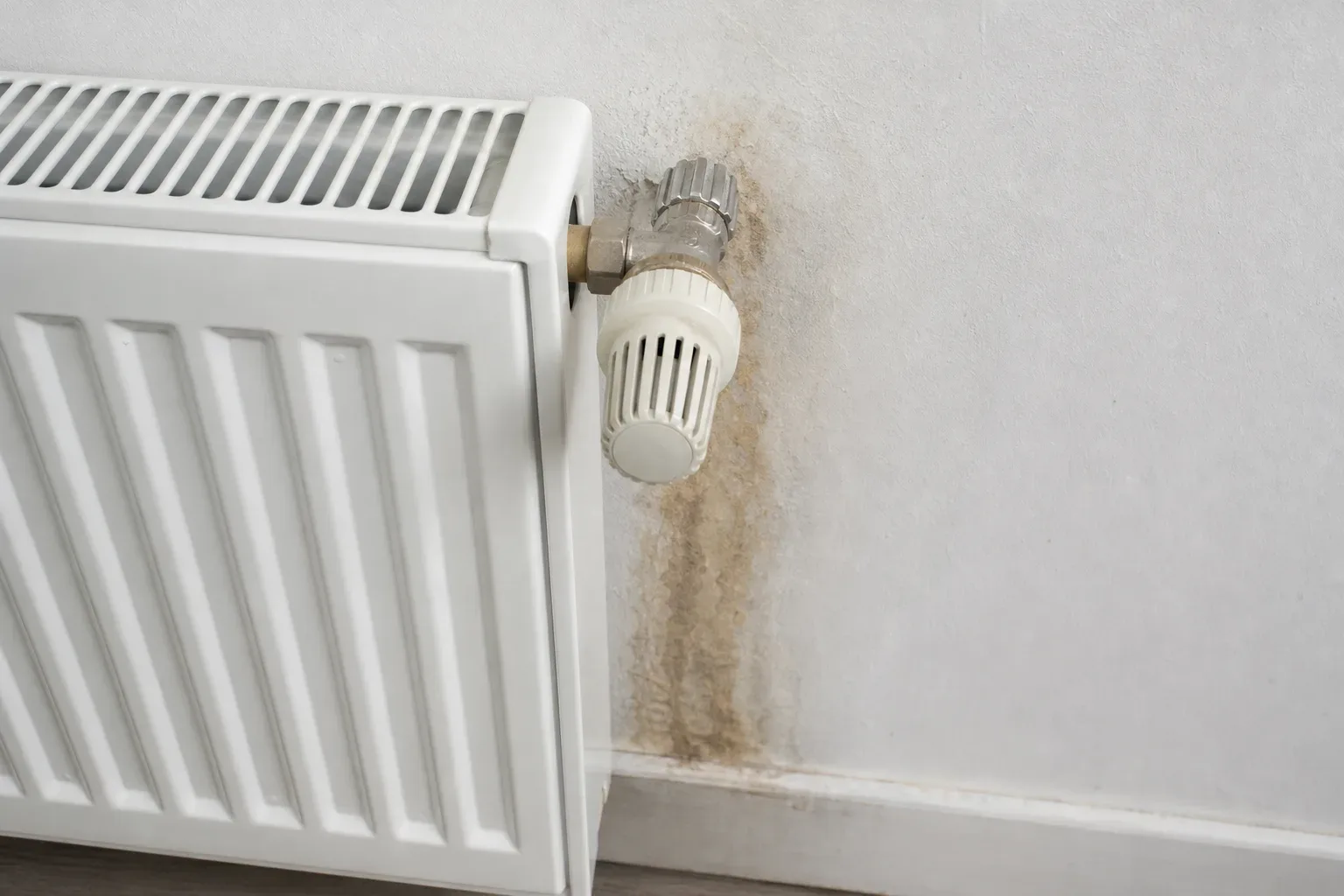
An annual boiler service is the single most effective preventive measure. During a service, a heating engineer checks pressure, inspects seals and joints, and tests the expansion vessel, catching small issues before they become leaks. In Edinburgh, a standard annual service costs £80–£120. If you are a landlord, a combined service and Gas Safety Record (CP12) visit runs £90–£130.
Keeping your boiler pressure between 1 and 1.5 bar during normal operation reduces stress on the PRV and internal components. If pressure drops regularly without an obvious leak, there is likely a small internal fault worth investigating before it escalates.
A power flush can also help. Sludge and magnetite deposits inside older systems cause uneven flow, force the pump to work harder, and accelerate corrosion on heat exchangers. For an average Edinburgh home with 8–12 radiators, a power flush typically costs £300–£500.
Frequently Asked Questions
What Should I Do If My Boiler Is Leaking Water?
Switch the boiler off at the appliance and turn off the isolation valve on the cold water feed if you can reach it. Place a towel or container under the leak and keep electrical items away from any standing water. If water has reached sockets or your fuse board, isolate the mains electricity before touching anything. Do not open the boiler casing. Call a Gas Safe registered heating engineer to diagnose the fault, treating it as an emergency if the leak is rapid, there is a gas smell, or water has reached electrical fittings.
Does the Water Get Turned Off When Fitting a New Boiler?
Yes. The heating engineer will isolate the cold water supply and drain down the relevant parts of the system before removing the old boiler. In most homes this means the hot water supply is unavailable during the installation, which typically takes one to two days depending on the complexity of the job. Your engineer will confirm before starting what will be isolated and for how long.
Can You Get a Free Boiler from the Government?
Government-backed schemes do exist that can fund boiler replacement for qualifying households, usually based on benefit eligibility or low income. These are typically administered through energy suppliers or local councils under programmes overseen by central government. The official place to check current eligibility and find registered installers is the GOV.UK website. Availability and criteria change, so verify the current scheme directly rather than relying on third-party summaries.
What Is the Average Lifespan of a Boiler?
Most boilers last between 10 and 15 years with annual servicing. Boilers that are serviced irregularly, run at consistently incorrect pressure, or operate in systems with heavy sludge buildup often reach the lower end of that range. Once a boiler passes 12 years, recurring faults or a failed heat exchanger usually make replacement more cost-effective than ongoing repair.
Is a Small Boiler Leak Safe to Leave Overnight?
A very slow drip away from any electrical fittings can often wait until the next working day if you have turned the boiler off and isolated the water supply. However, leaving a leaking boiler running is not advisable, as pressure fluctuations can worsen the fault overnight. If you are unsure whether the water is near electrics, or if the drip is increasing, treat it as an emergency and call an out-of-hours heating engineer rather than waiting.