 Boiler Services Edinburgh
Boiler Losing Pressure in Edinburgh - Causes and Fixes
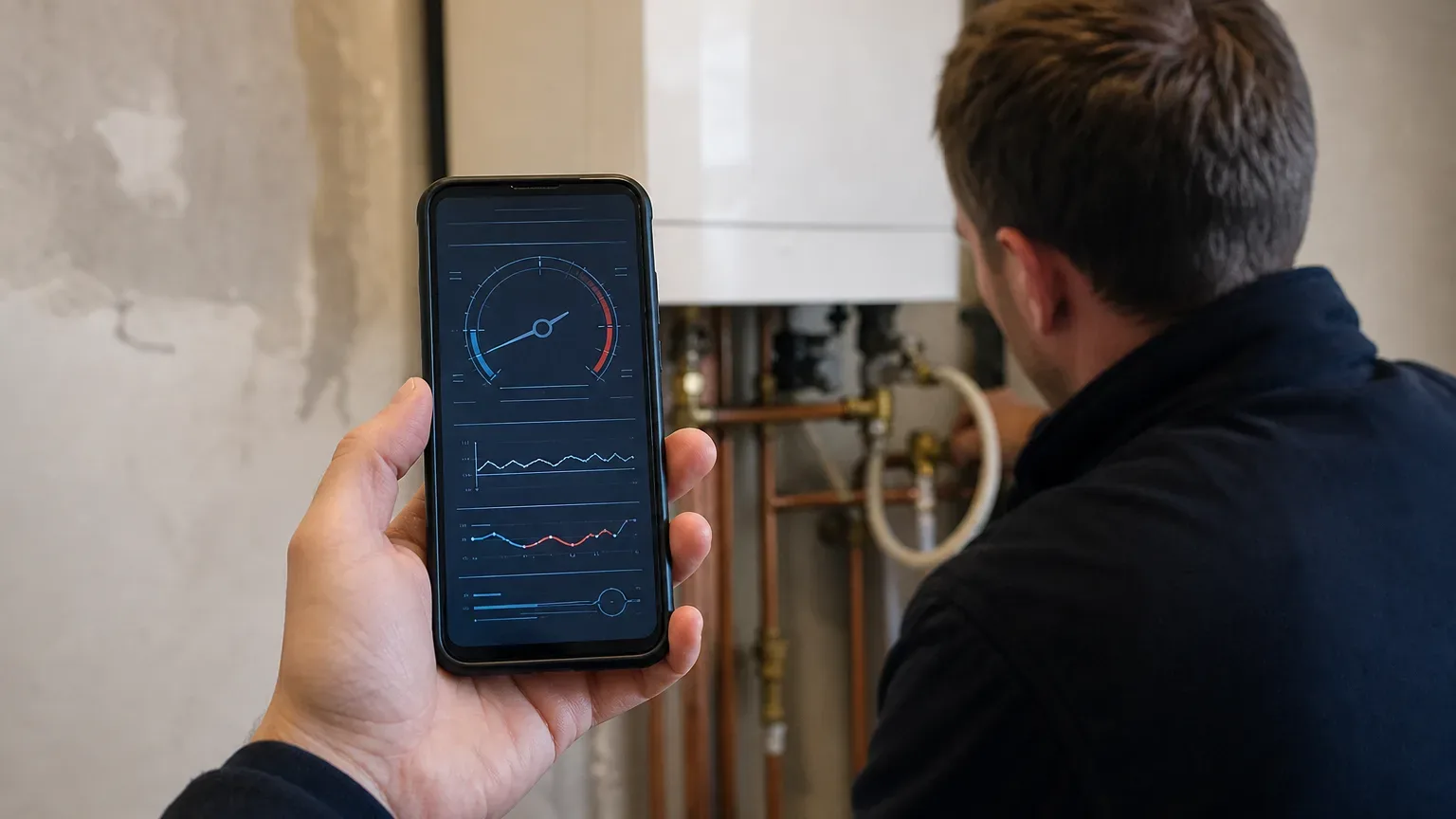
Why Pressure Drops Matter
Most combi and system boilers operate correctly between 1 and 1.5 bar when cold. Drop below 0.5 bar and the boiler will lock out, leaving you with no heating or hot water. Edinburgh winters are unforgiving enough without spending a morning working out why the pressure gauge is sitting in the red.
Pressure loss is one of the most common calls heating engineers receive across the city. Some causes are simple enough to fix yourself in five minutes. Others point to a fault that needs a Gas Safe registered engineer before you touch anything.
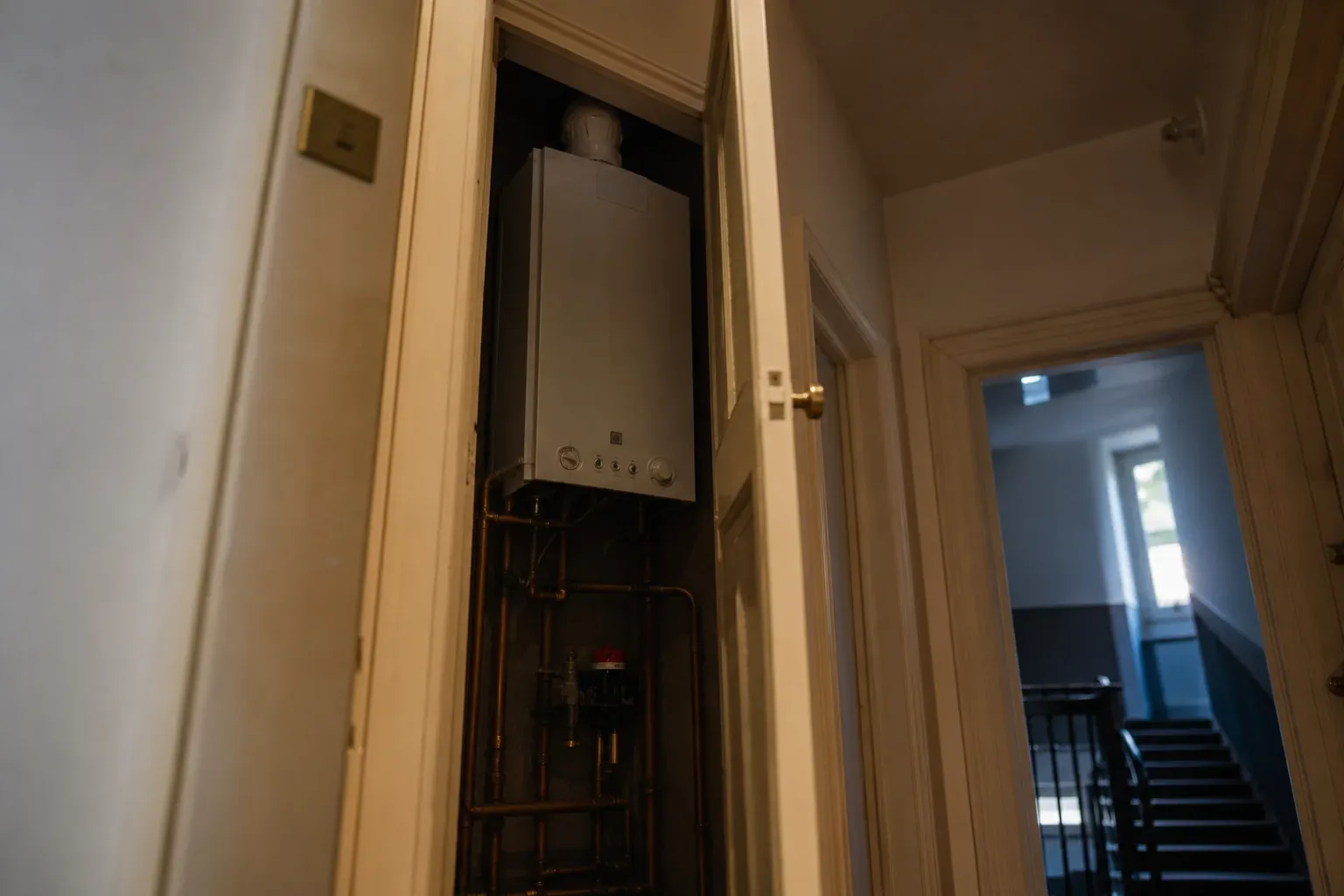
What Causes a Boiler to Lose Pressure in Edinburgh?
There is no single reason a boiler loses pressure, but a handful of faults account for the vast majority of cases.
A Small Leak Somewhere in the System
Leaks are the most frequent culprit. The leak may not be dramatic enough to cause visible pooling on the floor. A slow weep from a radiator valve, a compression fitting under the floorboards, or a corroded pipe joint can bleed pressure over hours or days rather than all at once. Edinburgh's older tenement and Victorian stone properties often have ageing pipework that develops small pinhole leaks, particularly after a cold spell causes thermal movement.
A Faulty Pressure Relief Valve
The pressure relief valve (PRV) is a safety component that opens automatically if pressure climbs too high, releasing water to bring it back down. When the valve starts to fail, it can discharge small amounts of water even at normal pressure levels. The giveaway is a damp or dripping pipe leading outside the property, usually at low level on an external wall. Replacing a PRV is a job for a qualified heating engineer.
A Failing Expansion Vessel
The expansion vessel is a pressurised chamber, typically inside the boiler casing, that absorbs the increase in water volume as the system heats up. If the internal membrane inside the vessel fails, the system pressure fluctuates unpredictably. You may notice the pressure gauge reading fine when cold but jumping erratically during a heating cycle. Recharging or replacing the expansion vessel usually costs between £150 and £300 in labour and parts.
Bleeding Radiators Recently
This one is not a fault. Releasing air from a radiator removes a small volume from the sealed system, which causes a measurable pressure drop. If your pressure dropped shortly after you bled one or more radiators, re-pressurising via the filling loop is the fix and not a cause for concern.
Heat Exchanger Leaks
A cracked or weeping heat exchanger inside the boiler is a more serious cause. This component transfers heat from the burner to the circulating water. Internal leaks here are difficult to spot visually and are more common in boilers over ten years old. Given that the typical boiler lifespan is 10–15 years, a heat exchanger fault in an older boiler can make the case for replacement rather than repair.
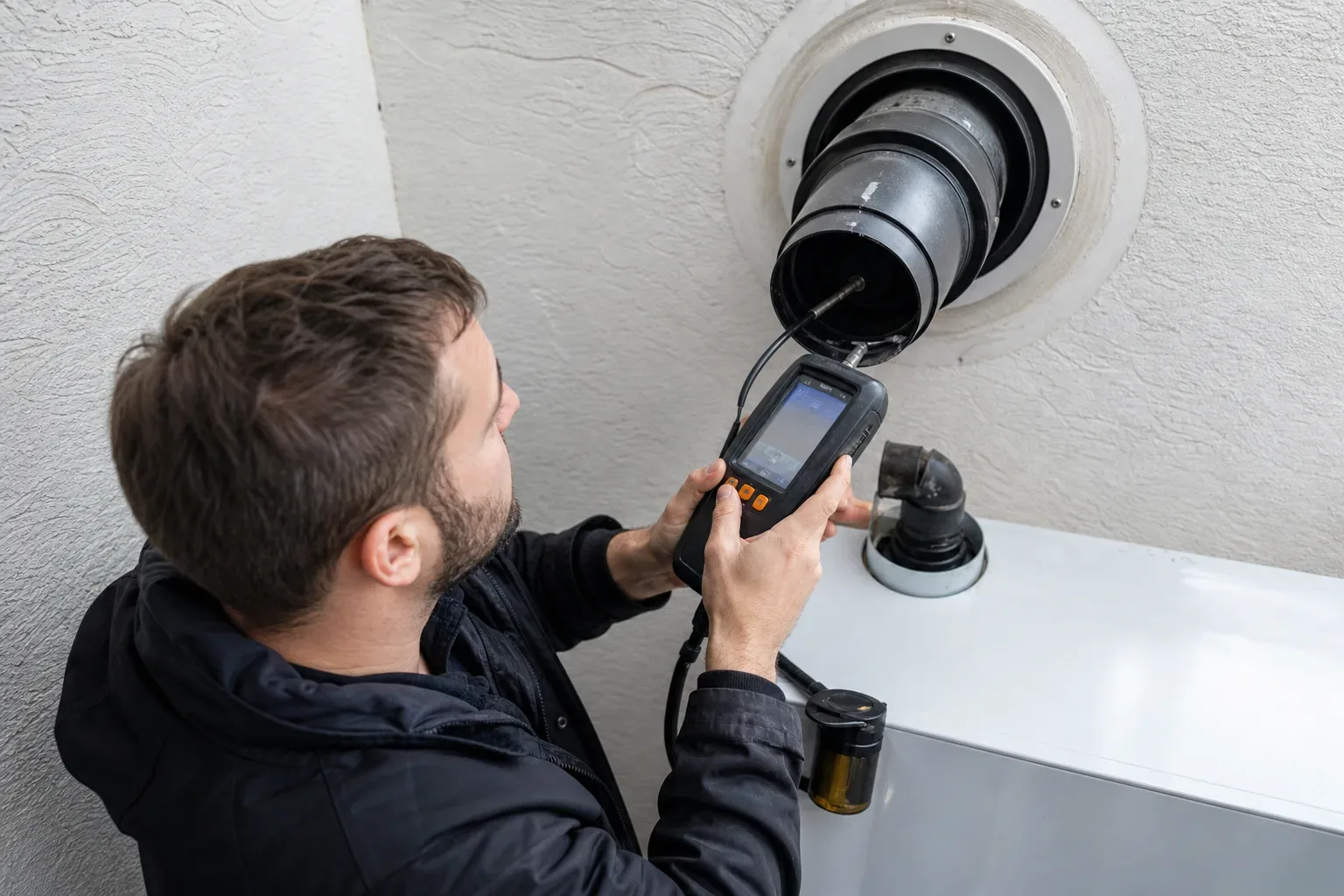
How Do I Fix a Boiler That Is Losing Pressure?
Re-pressurising via the filling loop is the first step, but only if no visible leak is present.
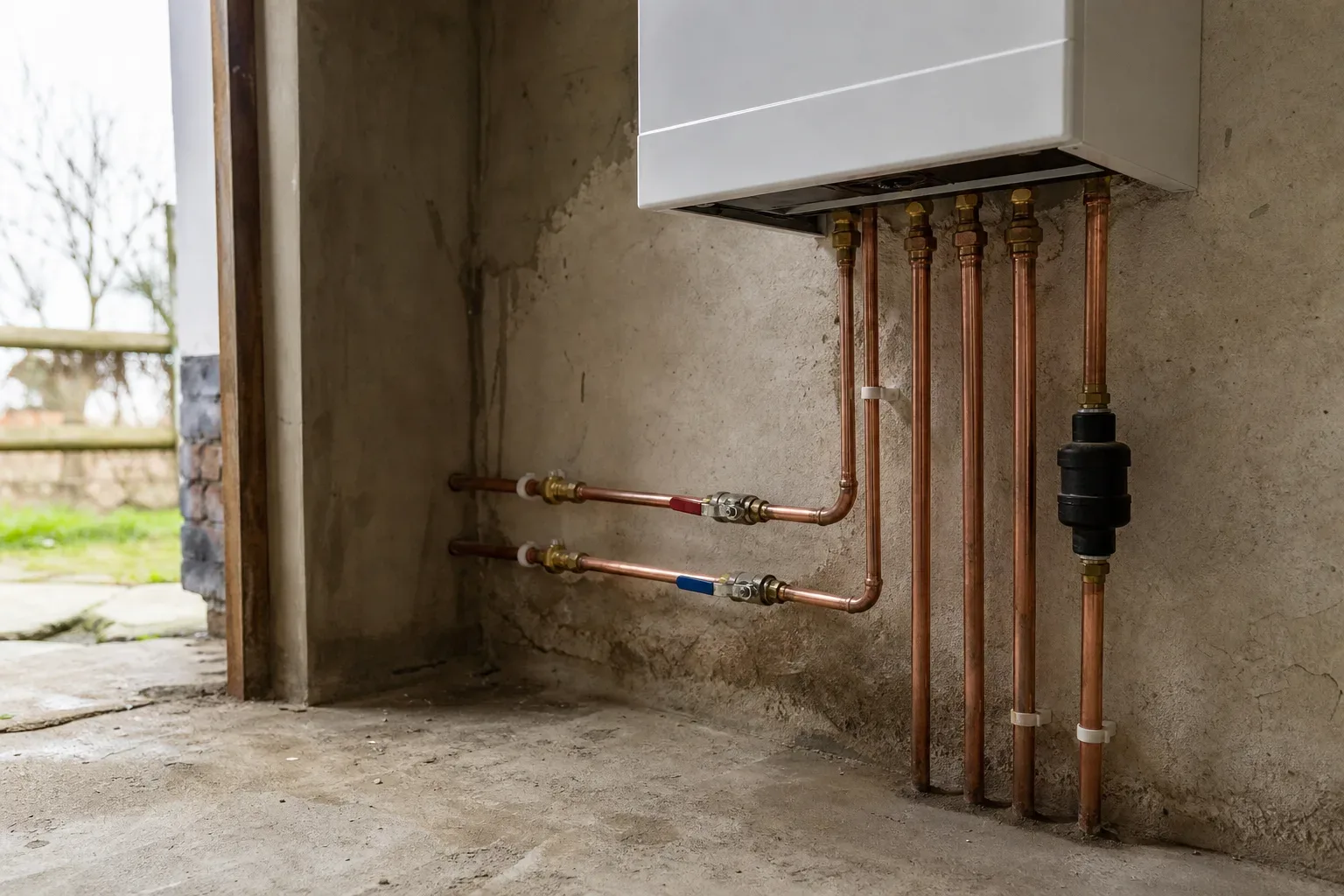
The filling loop is a braided or rigid pipe, often with two valves, that connects the mains water supply to the central heating circuit. Most manufacturers place it beneath the boiler. The process:
 Turn off the boiler and let it cool for 30 minutes.
- Attach the filling loop if it is a removable type.
- Open both valves slowly and watch the pressure gauge rise.
 Close both valves when the gauge reaches 1–1.5 bar.
 Restart the boiler and monitor pressure over the next 24 hours.
If the pressure drops again within a few days, there is a leak or valve fault somewhere that topping up will not solve. Repeatedly re-pressurising the system without finding the root cause can accelerate corrosion and cause further damage.
Never attempt to open the boiler casing, adjust the PRV, or work on gas components yourself. All such work must be carried out by a Gas Safe registered engineer.
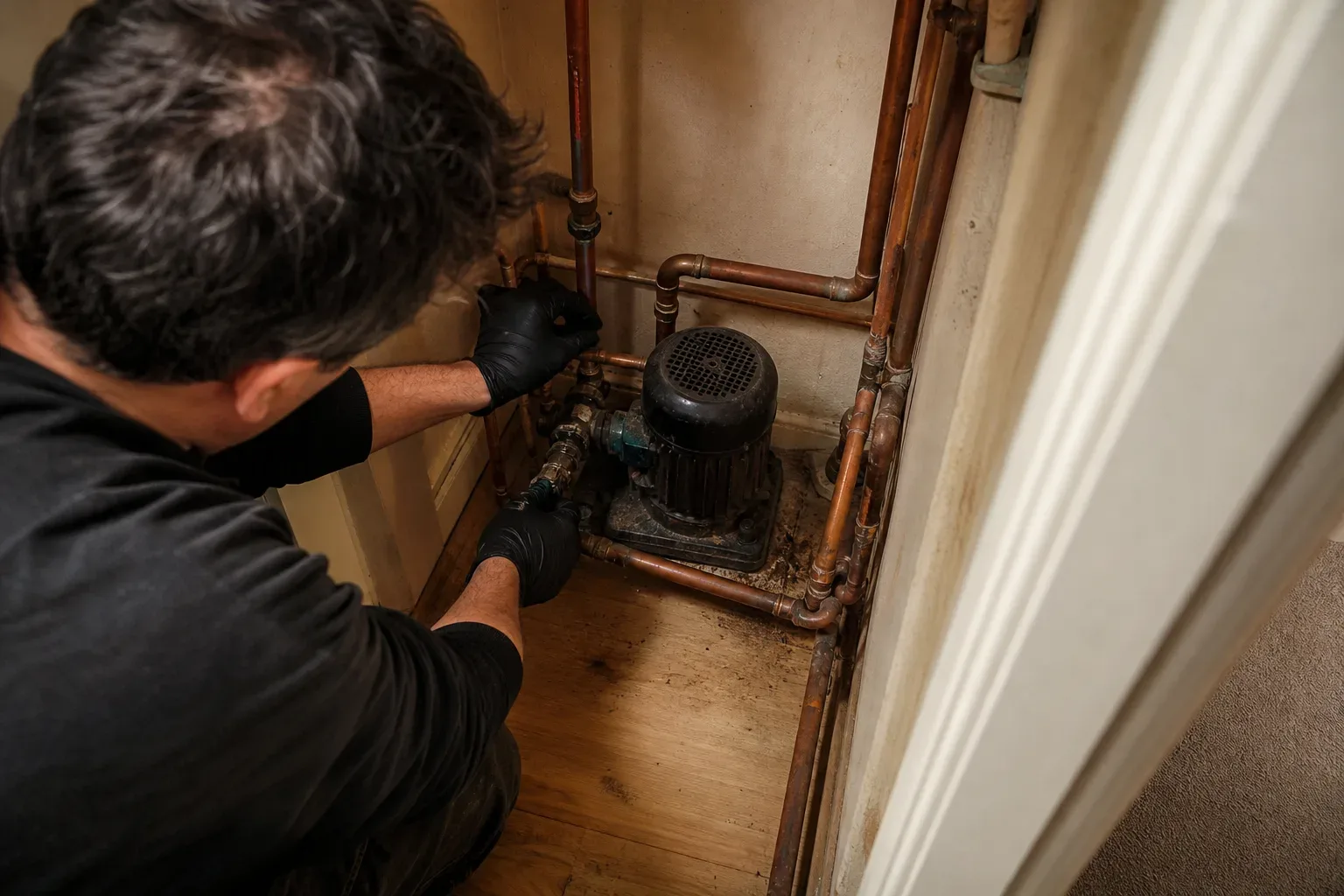
Should I Be Concerned About My Boiler Losing Pressure?
A single pressure drop after bleeding radiators is normal. Repeated or rapid pressure loss is a fault that needs professional attention.**
Pressure dropping once every few months may be acceptable depending on the system, though it still warrants a check at the next annual service. If you are topping up more than once a month, something is leaking or failing. Left unaddressed, persistent low pressure can cause the pump to run dry, reduce heat exchanger efficiency, and eventually trigger a boiler shutdown at the worst possible time.
Emergency callouts in Edinburgh typically cost £150–£250 for out-of-hours response. Catching the fault during a standard callout at £80–£150 is considerably cheaper and usually more convenient.
Finding and Fixing the Leak
A heating engineer will typically start with a visual inspection of all accessible pipework, radiator valves, and the boiler components. If no obvious drip is found, they may carry out a pressure test, isolating sections of the circuit to pinpoint where the drop is occurring. For a property with 8–12 radiators, the common count in an Edinburgh home, this process usually takes one to two hours.
Once the leak source is identified, repair costs vary. A new radiator valve or compression fitting is straightforward and inexpensive. A PRV or expansion vessel replacement adds parts cost on top of the callout labour. A heat exchanger replacement in an older boiler can run to several hundred pounds, at which point a new boiler installation starting from £2,000–£3,500 for a combi often makes more financial sense.
Pressure and Your Annual Boiler Service
An annual service, priced at £80–£120 for a standard visit in Edinburgh, includes a check of system pressure, the expansion vessel charge, and the PRV condition. Many pressure problems are caught at this point before they become fault callouts. If you have not had the boiler serviced in the last twelve months, booking one is the most practical first step after re-pressurising the system.
Engineers covering Edinburgh and the surrounding Lothians area can usually schedule a service within a week during the spring and summer months. Autumn and early winter availability tightens significantly as boiler failures increase with demand, so arranging a service before October is worth planning ahead for.
Frequently Asked Questions
What Causes a Boiler to Lose Pressure in Edinburgh?
The most common causes are small leaks in the pipework or radiator valves, a faulty pressure relief valve, a failing expansion vessel, or a cracked heat exchanger. In Edinburgh's older tenement and stone properties, ageing pipework is a frequent contributor, particularly after cold weather causes pipes to expand and contract.
Why Is My Boiler Losing Pressure?
If your pressure dropped after bleeding radiators, that is normal and you can fix it by re-pressurising via the filling loop. If pressure drops repeatedly without an obvious cause, you likely have a slow leak from a valve, joint, or internal boiler component such as the pressure relief valve or expansion vessel.
How Do I Fix a Boiler That Is Losing Pressure?
Turn off the boiler and let it cool, then use the filling loop to raise the pressure to 1–1.5 bar. If pressure drops again within a few days, the underlying fault has not been addressed and a Gas Safe registered heating engineer should inspect the system. Never open the boiler casing or adjust safety valves yourself.
Should I Be Concerned About My Boiler Losing Pressure?
A one-off drop after bleeding radiators is not a concern. If you are re-pressurising more than once a month, there is a fault present. Persistent low pressure can damage the pump and heat exchanger and will eventually cause the boiler to shut down. Getting it checked during a standard callout at £80–£150 is far less costly than an emergency repair.
Can I Top Up My Boiler Pressure Myself?
Yes, re-pressurising via the filling loop is a task most homeowners can carry out safely. Turn off the boiler, attach the filling loop if removable, open both valves slowly until the gauge reads 1–1.5 bar, then close both valves and restart the boiler. If the pressure drops again within days, call a qualified heating engineer rather than repeating the process.