 Boiler Services Edinburgh
Boiler Repair Edinburgh
A broken boiler in Edinburgh is more than an inconvenience. With the city's cold, damp winters, losing heat or hot water can become genuinely uncomfortable within hours. Getting the right heating engineer to your door quickly, and at a fair price, is the practical priority.
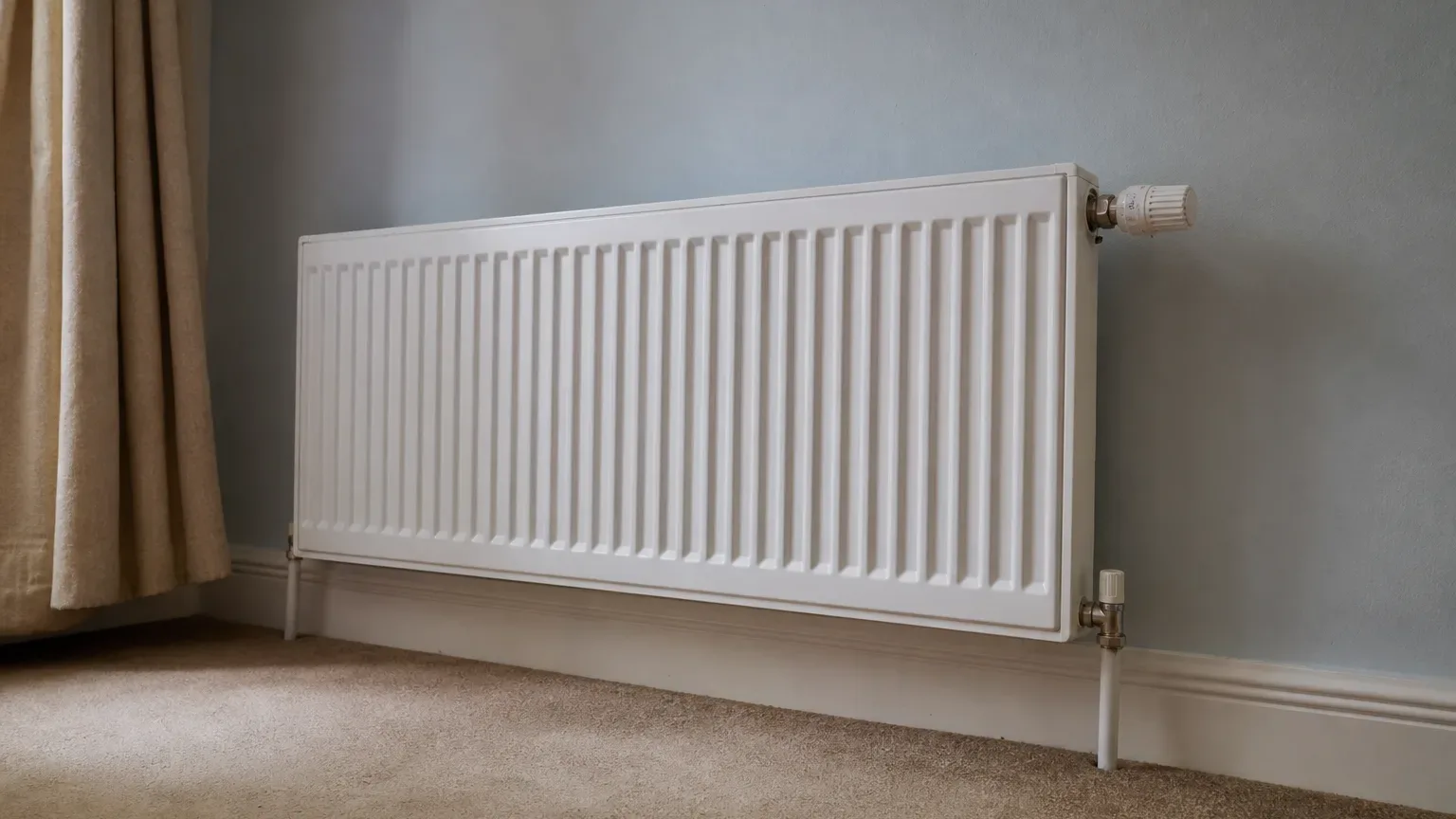
What to Expect from a Boiler Repair Callout
A standard diagnostic callout in Edinburgh typically costs £80–£150, covering the engineer's time to identify the fault and carry out minor repair labour. Parts are charged separately, and the engineer should provide a written quote before proceeding with anything beyond basic fixes.
Most reputable heating engineers in Edinburgh are Gas Safe registered. Ask for the engineer's Gas Safe registration number before they begin work. It takes seconds to verify on the official Gas Safe Register website, and no registered engineer will object to the question.
For out-of-hours emergencies, including evenings, weekends, and bank holidays, expect a premium rate of £150–£250 for the callout alone. Many Edinburgh operators aim to respond within 2–4 hours for genuine emergencies, though you should confirm the actual service level agreement when you book.
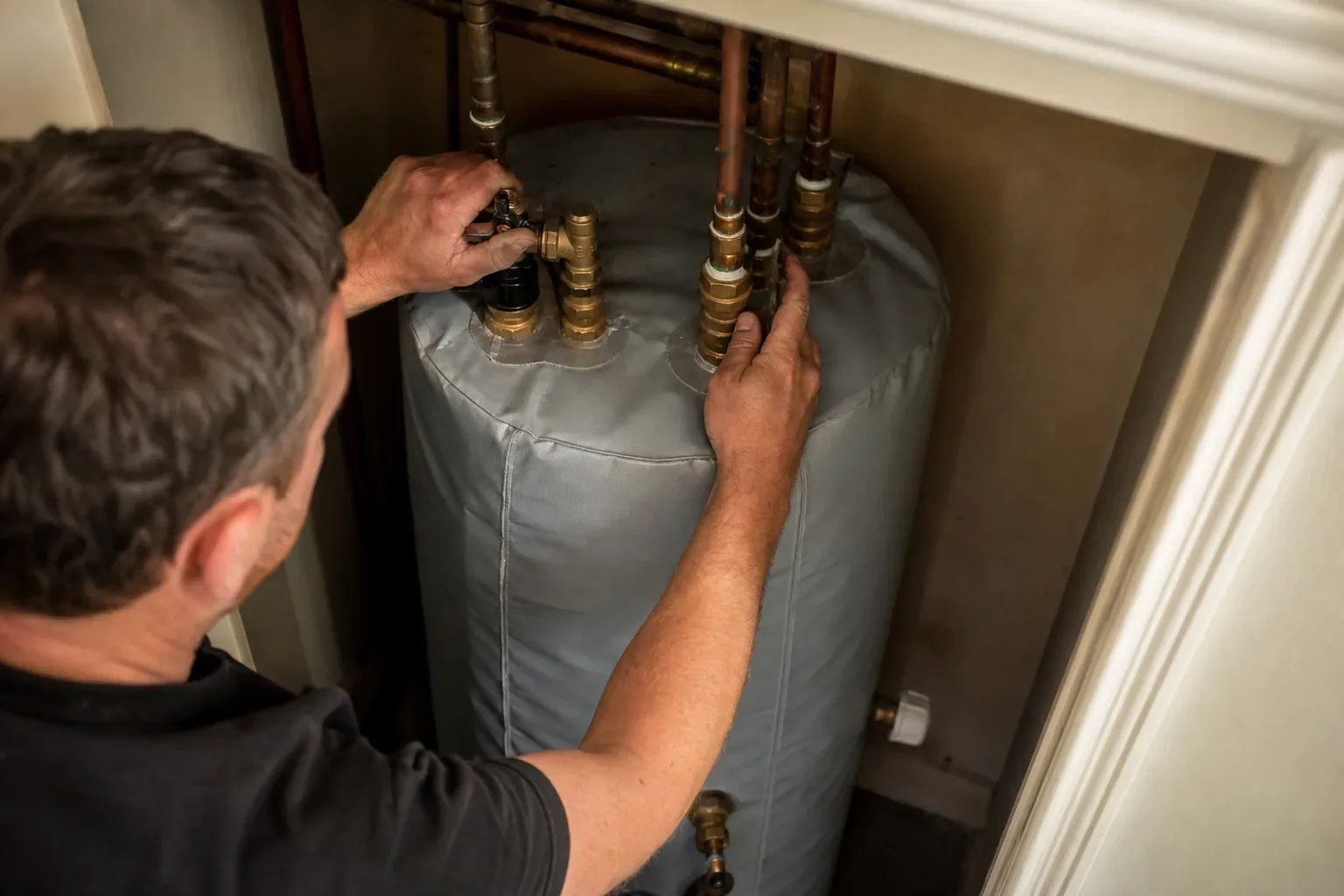
Common Boiler Faults and What They Mean
No Heat or Hot Water
This is the most frequently reported boiler problem. The cause can range from a failed diverter valve or a faulty printed circuit board, to something as simple as low system pressure or a tripped condensate pipe. An engineer will check system pressure first, since topping up to the correct bar reading, usually 1–1.5 bar, costs nothing beyond the callout.
Boiler Keeps Switching Off (Lockout)
Lockout is a safety response. The boiler shuts itself down because a sensor has detected a condition outside safe operating parameters. Common triggers include low water pressure, a faulty thermostat, a blocked condensate pipe, or poor water flow caused by a dirty heat exchanger. The fault code displayed on the boiler's control panel tells the engineer exactly where to start.
Pilot Light or Ignition Failure
If the boiler fires briefly then cuts out, or fails to ignite at all, the ignition leads, electrodes, or gas valve are likely candidates. These are component-level replacements and cost more than a pressure fix, but they are well within the range of a standard repair visit.
Leaking or Dripping
Leaks usually originate at the pressure relief valve, a pump seal, or a corroded internal component. Left unaddressed, even a slow drip causes corrosion and can damage surrounding pipework or flooring. Flag this to an engineer promptly rather than leaving a container under it.
What Are the Boiler Repair Prices in Edinburgh?
Standard callout and minor repair labour in Edinburgh costs £80–£150, with parts on top. Emergency out-of-hours callouts run £150–£250 before parts. The final bill depends heavily on which component has failed: a new pressure relief valve or thermocouple is inexpensive, while a replacement heat exchanger or PCB can push total costs to £400 or more.
Get at least two quotes for anything beyond a simple fix. A transparent heating engineer will itemise the labour, the part cost, and any VAT before you agree to proceed.
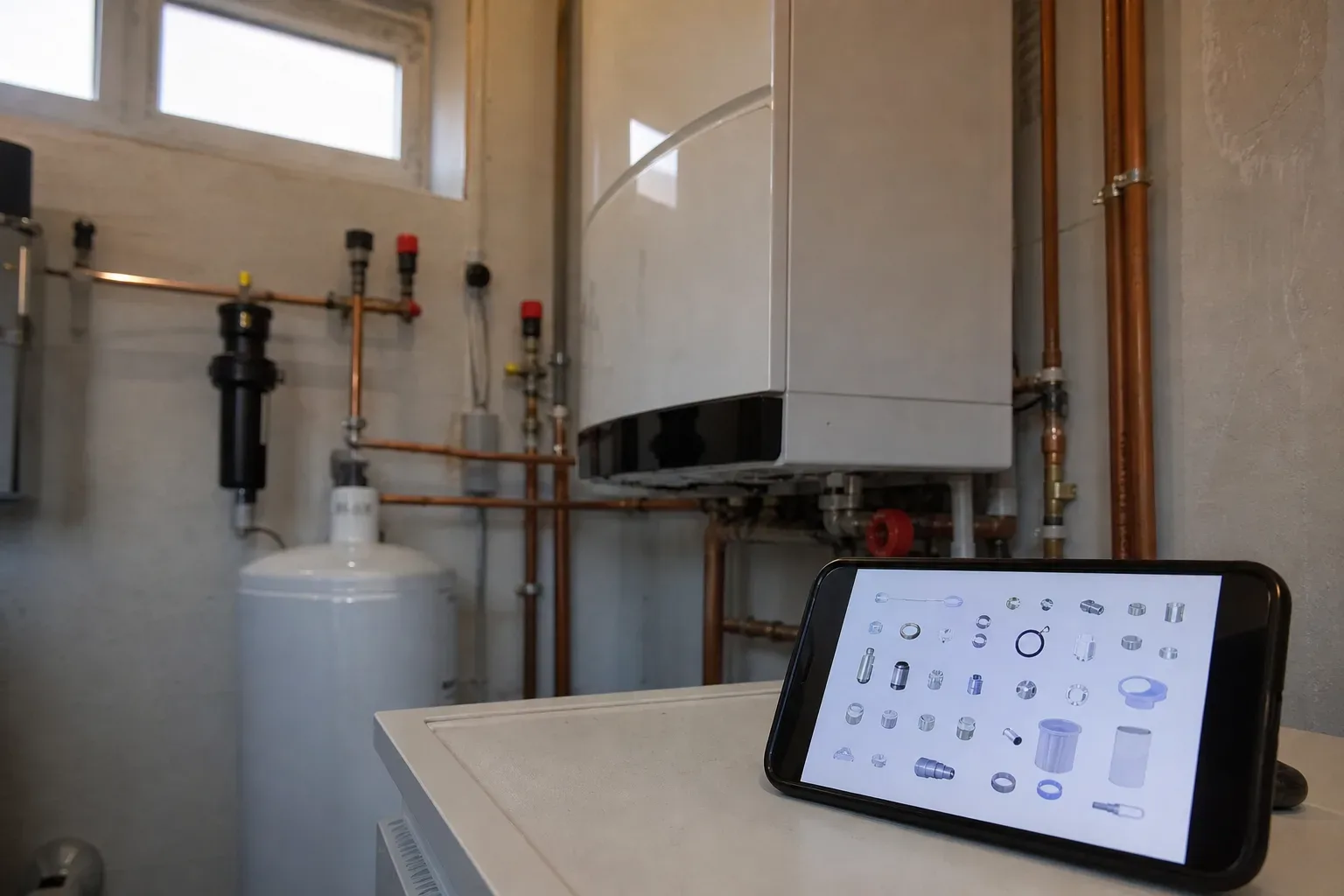
Is It Cheaper to Repair or Replace a Boiler?
Repair is usually the right call if the boiler is under 10 years old and the repair quote is less than a third of a new installation price. A new combi boiler installed in Edinburgh costs £2,000–£3,500 for supply and fit. A system or heat-only boiler runs £2,500–£4,500, depending on system complexity and the size of the property.
If the repair quote is £600 and a new combi installation starts at £2,000, repair is the obvious short-term choice, assuming the boiler is otherwise sound. The calculus shifts when repair bills are accumulating year on year, or when the boiler is approaching the end of its typical 10–15 year lifespan.
Efficiency is the other factor. A boiler from the early 2010s or older may be running at 78–82% efficiency. A modern condensing boiler runs at 90% or above, which translates to a measurable reduction in gas bills over time.
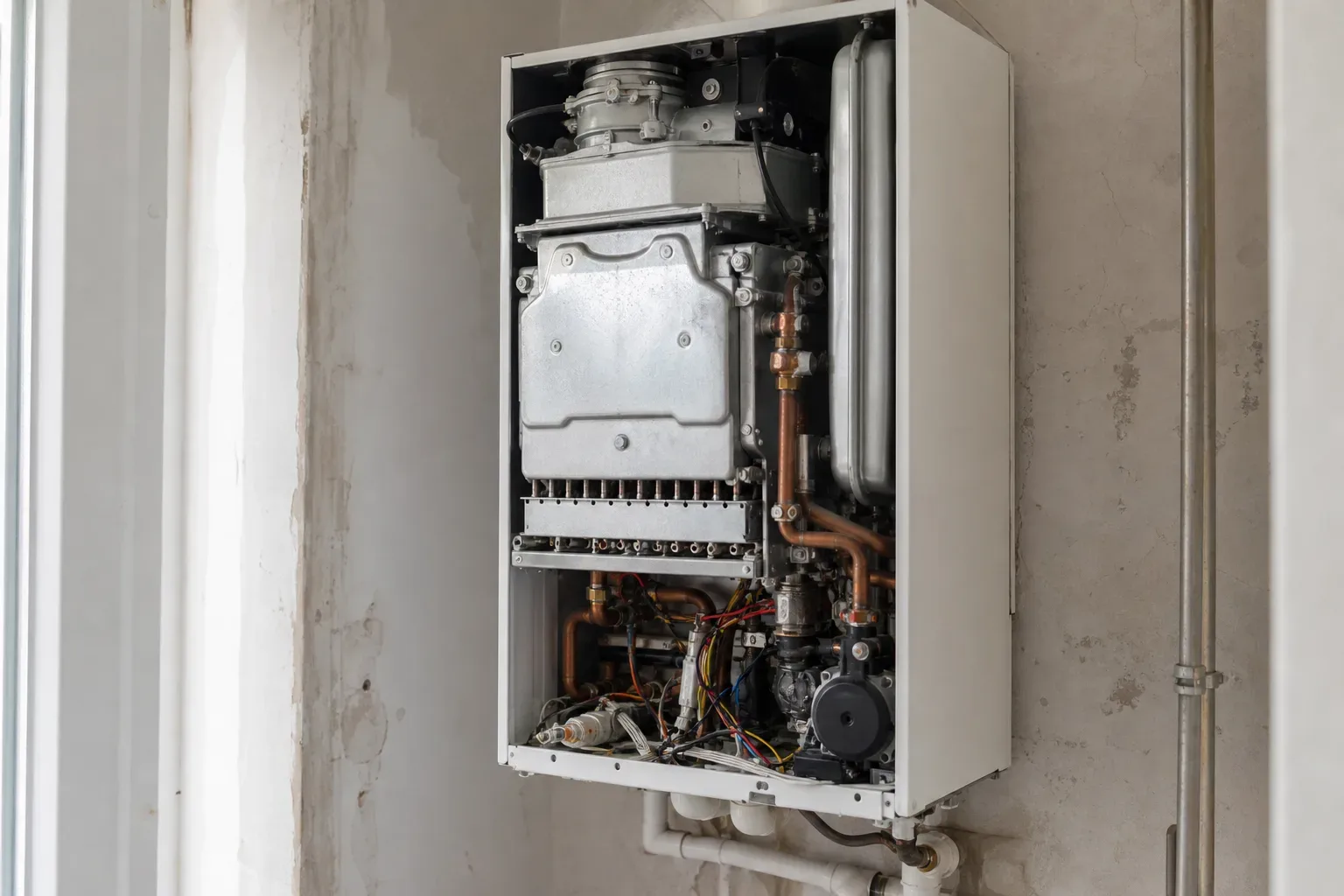
Does a 20-Year-Old Boiler Need Replacing?
A boiler that is 20 years old has well exceeded its typical lifespan of 10–15 years and almost always warrants replacement rather than repair. Finding parts becomes progressively harder for discontinued models. Repair costs climb as multiple components wear out in close succession.
Beyond cost, older non-condensing boilers simply cannot match the efficiency of current models, whatever their condition. If the boiler is still running and repairs are genuinely minor, there is no legal obligation to replace it immediately. However, any significant repair bill on a 20-year-old unit is usually better redirected toward a new installation.
Manufacturers such as Worcester Bosch, Vaillant, and Viessmann offer warranties of 5–12 years on new boilers, depending on the model and registration. That kind of cover provides real financial predictability that an ageing boiler cannot.
Radiator and Central Heating Repairs
Boiler faults are sometimes symptoms of wider central heating problems. A common example is sludge buildup in the system, where corroded metal particles circulate through the pipework and reduce heat transfer efficiency. This shows up as cold spots on radiators, a noisy boiler, or repeated pressure loss.
A power flush clears the system and typically costs £300–£500 for an average Edinburgh home with 8–12 radiators. If a single radiator is failing due to a faulty valve or internal blockage, replacement costs £150–£300 for labour, with the radiator itself additional unless the engineer supplies it.
Adding a magnetic system filter during any repair visit is worth asking about. A filter captures ferrous debris before it reaches the heat exchanger, reducing wear and extending boiler life at modest cost.

How to Choose a Heating Engineer in Edinburgh
Gas Safe registration is the non-negotiable starting point. Beyond that, look for engineers who provide written quotes, carry common parts in their van, and can supply references or verifiable reviews from Edinburgh customers.
Ask specifically whether the engineer covers your postcode for emergency callouts, since some firms limit out-of-hours cover to central Edinburgh. Confirm the callout rate, the labour rate per hour, and whether parts carry a warranty. A good heating engineer will answer all of these questions clearly before you commit.
Frequently Asked Questions
What Are the Boiler Repair Prices in Edinburgh?
A standard boiler repair callout in Edinburgh costs £80–£150, covering the diagnostic visit and minor labour. Parts are charged on top of this. For out-of-hours emergencies on evenings, weekends, or bank holidays, the callout rate rises to £150–£250. More complex repairs involving components like a heat exchanger or PCB can bring the total bill to £400 or more, so always request an itemised quote before work begins.
How Do I Fix a Noisy Boiler in Edinburgh?
A noisy boiler is most commonly caused by kettling, where limescale or sludge buildup on the heat exchanger causes water to overheat and make a rumbling or banging sound. A Gas Safe registered heating engineer can assess whether a power flush, a scale inhibitor, or a component replacement is the right fix. In Edinburgh, a power flush for an average home with 8–12 radiators typically costs £300–£500. Do not attempt to open or adjust internal boiler components yourself, as this voids warranties and poses a safety risk.
Is It Cheaper to Repair or Replace a Boiler?
If the boiler is under 10 years old and the repair cost is less than a third of a new installation price, repair is usually the better financial decision. A new combi boiler in Edinburgh costs £2,000–£3,500 fitted, and a system or heat-only boiler runs £2,500–£4,500. When repair bills are recurring or the boiler is approaching 10–15 years old, replacement becomes more cost-effective over the longer term, especially given the efficiency gains from a modern condensing boiler.
Does a 20 Year Old Boiler Need Replacing?
A 20-year-old boiler has significantly exceeded its typical lifespan of 10–15 years, and replacement is almost always the right course of action. Parts for older discontinued models are increasingly hard to source, and repair costs tend to escalate as multiple components fail in quick succession. Modern boilers from manufacturers such as Worcester Bosch or Vaillant come with warranties of 5–12 years and operate at over 90% efficiency, compared to around 78–82% for older non-condensing models.
What Is the Most Common Problem with Boilers?
The most common boiler fault is loss of heat or hot water, which can stem from low system pressure, a failed diverter valve, a faulty thermostat, or a blocked condensate pipe. Low pressure is the simplest fix and often does not require an engineer visit if the homeowner is comfortable topping up the system to 1–1.5 bar using the filling loop. Any fault beyond a pressure top-up should be assessed by a Gas Safe registered heating engineer, since attempting internal repairs without registration is both unsafe and illegal.