 Boiler Services Edinburgh
Radiator Installation Edinburgh - Adding or Replacing Radiators
A radiator that runs lukewarm, corrodes at the valve, or simply sits in the wrong room is costing you money every heating season. Whether you are adding a radiator to a newly converted room or swapping out an ageing panel, knowing what the job actually involves helps you plan the work and avoid surprises on the invoice.
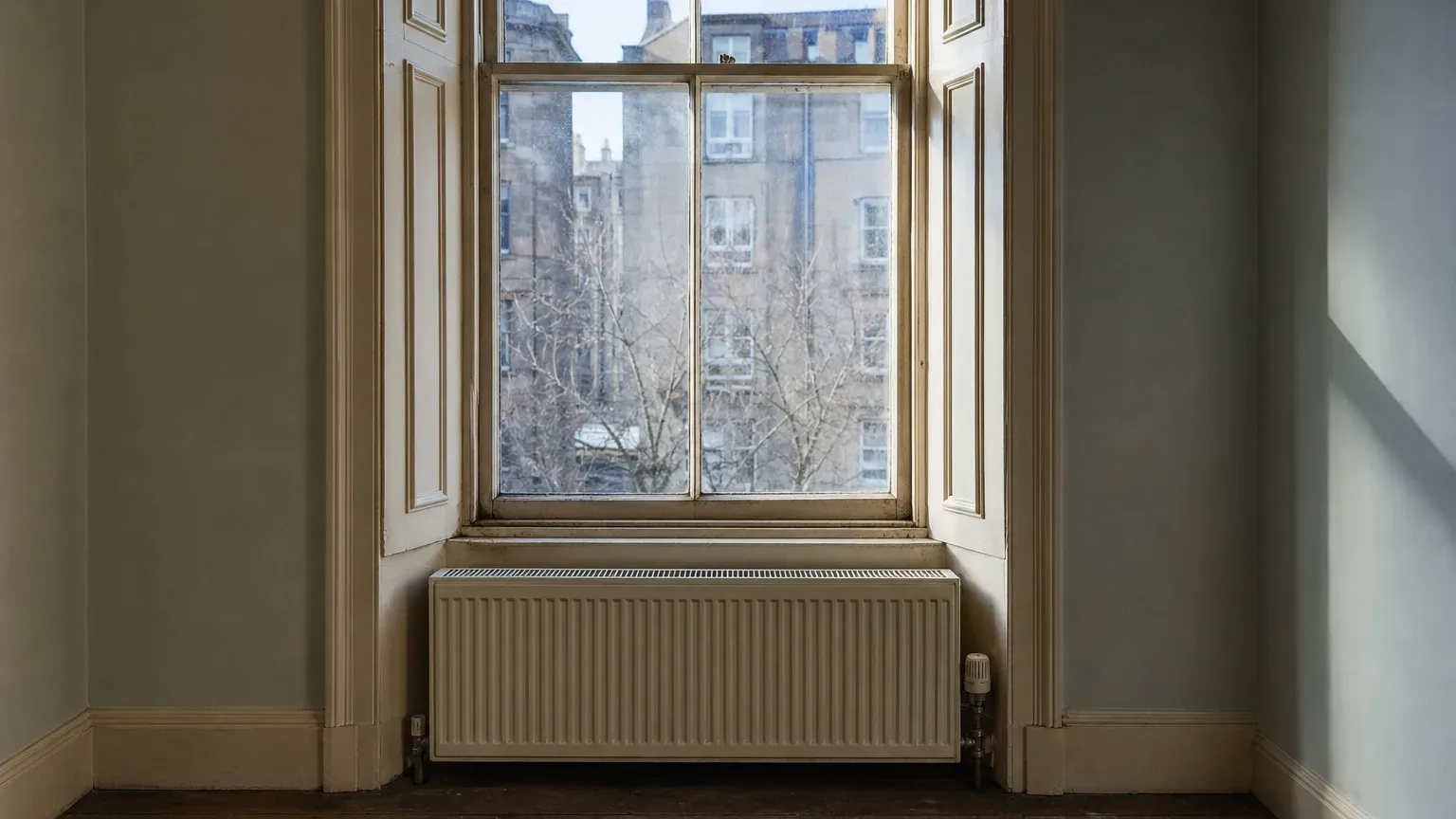
When Does a Radiator Need Replacing?
Most radiators last 15–20 years before corrosion or sludge build-up reduces their output noticeably. Visible rust streaks, persistent cold spots that do not respond to bleeding, or pinhole leaks at the body are clear signs the unit has reached the end of its useful life. A radiator that stays cold even after bleeding and balancing usually has internal sludge blockage. At that point, replacement is more cost-effective than repeated call-outs.
Age alone is not always the deciding factor. A well-maintained radiator in a system that has been power-flushed regularly can outlast one in a neglected system by several years. That said, radiators installed alongside a boiler that is now 10–15 years old are often replaced at the same time as the boiler to keep the system balanced.
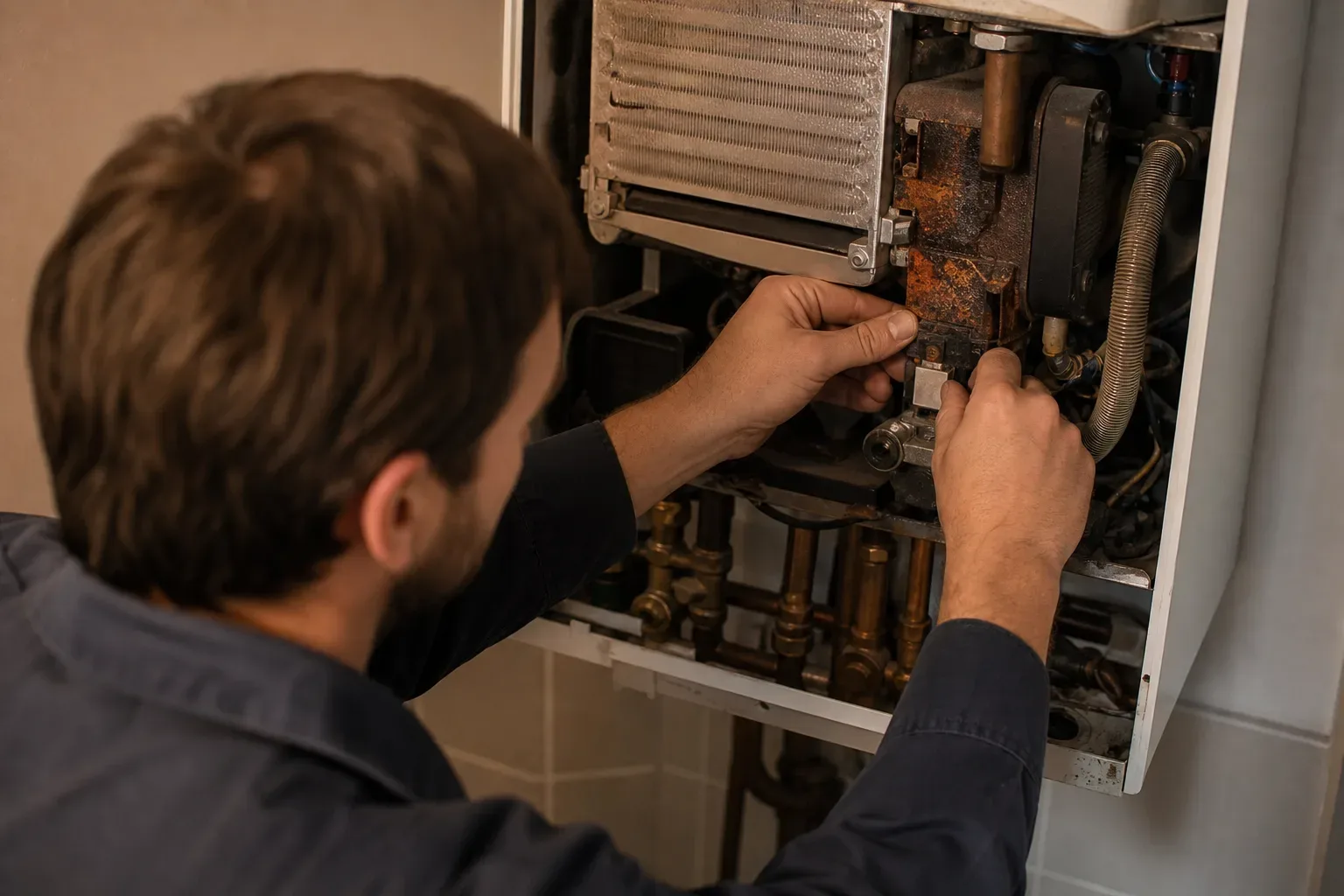
Adding a New Radiator to an Existing System
Fitting a radiator in a room that has never had one, such as a loft conversion or a garage extension, requires a heating engineer to extend the pipework from the nearest flow and return circuit. The complexity depends on how far the new radiator sits from the existing circuit, what flooring or walls need to be lifted, and whether the current boiler and pump have enough capacity to supply an additional heat emitter.
An undersized boiler will struggle to heat extra radiators efficiently, so a quick output check before installation is sensible. A Gas Safe registered heating engineer can carry out that assessment during the survey visit. Extending pipework through a timber floor typically takes three to five hours; running pipes through a solid concrete floor takes considerably longer.
Radiator Types and Sizes
Panel radiators are the most common choice in Edinburgh homes. They come in single-panel and double-panel configurations, with the double-panel version offering higher heat output for a given width. This suits larger rooms or spaces with higher heat loss, such as older tenement rooms with high ceilings and limited insulation.
Vertical radiators work well in narrow spaces, such as a hallway or a bathroom, where wall width is limited but height is available. Electric radiators are worth considering in rooms where extending wet pipework is impractical, particularly in outbuildings or attic rooms with no existing heating circuit. They require no pipework and no Gas Safe engineer, though running costs per unit of heat are higher than a gas-fed system.
Sizing a Radiator Correctly
Output is measured in BTUs or watts. A rough rule is 100 watts per square metre for a well-insulated room; a poorly insulated room with large windows may need 150 watts per square metre or more. Fitting an undersized radiator is a common mistake. The room stays cold, the boiler runs longer, and the homeowner ends up paying for a second visit to swap the unit.
A heating engineer will calculate the heat loss for the room using its dimensions, insulation level, and glazing before recommending a size. This takes around 15–20 minutes and prevents the undersizing problem entirely.
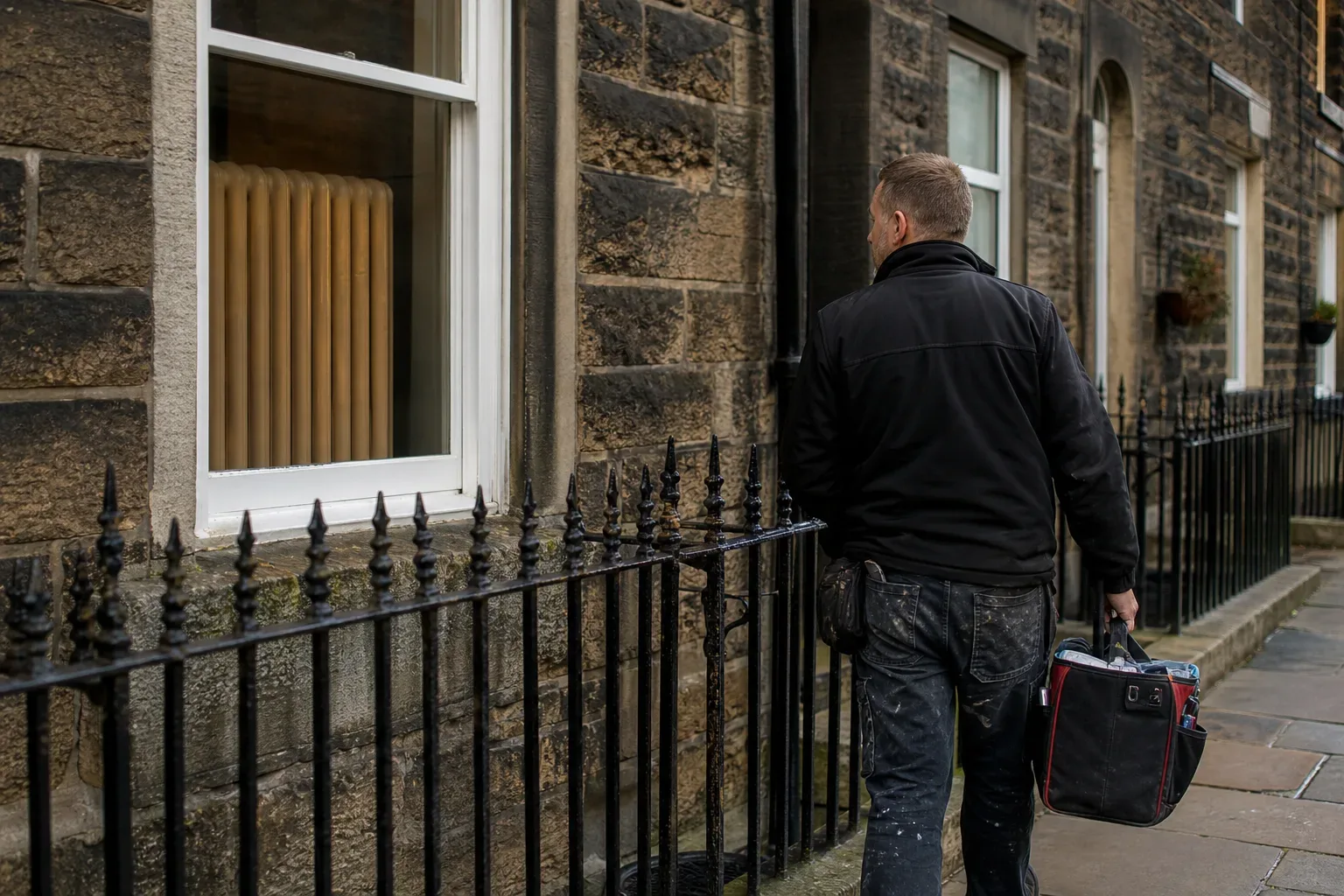
Radiator Installation Cost in Edinburgh
Labour to fit a single new radiator in Edinburgh runs from £150 to £300. That figure covers the engineer's time for connection, testing, and system balancing. It does not include the cost of the radiator itself, which varies from around £40 for a basic single-panel unit to over £300 for a larger designer or vertical model.
Where new pipework is needed, such as when adding a radiator to a previously unheated room, the total cost rises. Pipe runs through walls or under floors add both materials and time. A straightforward like-for-like swap in a room that already has pipework and valves in good condition sits at the lower end of the labour range.
If your system has not been flushed in several years, your engineer may recommend a power flush before the new radiator goes in. This removes the sludge that would otherwise migrate into the new unit and reduce its output. A power flush on an average Edinburgh home with 8–12 radiators typically costs £300–£500.
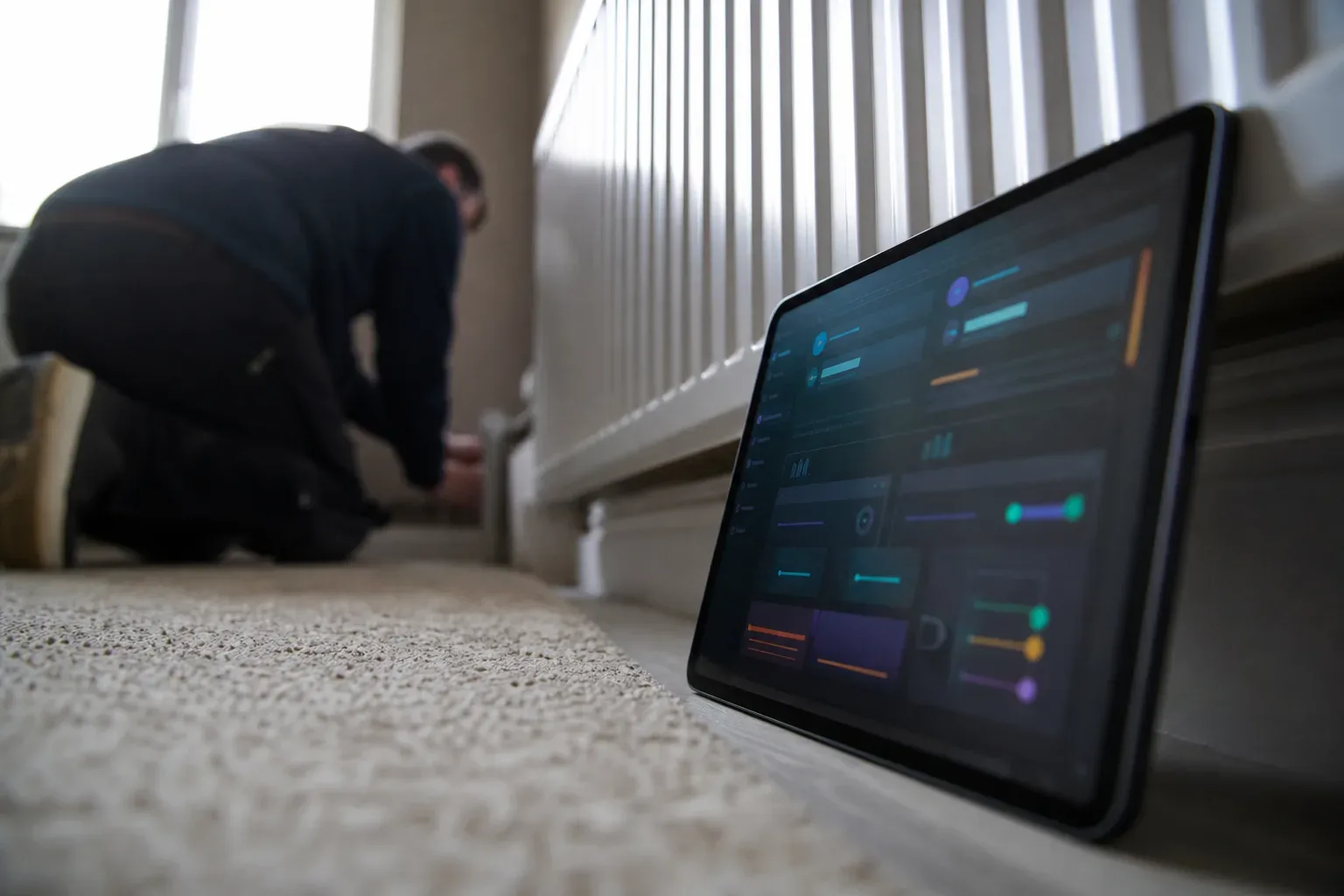
Does a Radiator Installation Require a Gas Safe Engineer?
Connecting a radiator to a gas-fired wet central heating system must be carried out by a Gas Safe registered heating engineer. The Gas Safe Register is the legal framework in Great Britain for anyone working on gas appliances. While fitting a radiator itself is not a gas operation, it involves working on a system directly connected to a gas boiler, and any engineer who touches those pipe circuits must hold valid Gas Safe registration.
Ask to see the engineer's Gas Safe ID card before work begins. The card shows the registration number and the categories the engineer is qualified to work on. All engineers operating through reputable Edinburgh heating companies will carry this documentation as a matter of course.
What to Expect on the Day
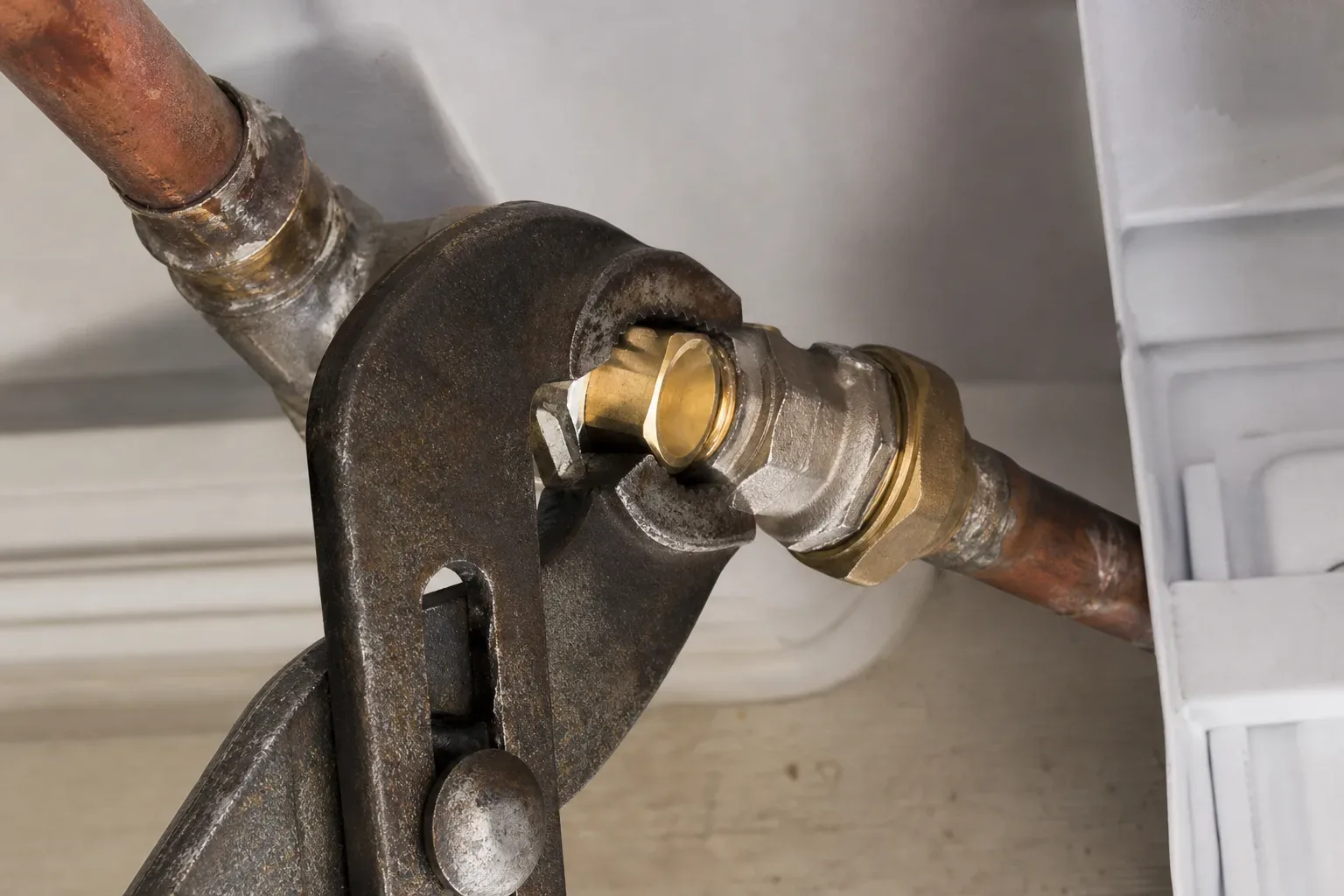
A like-for-like radiator replacement typically takes one to two hours per unit. The engineer will drain down the relevant section of the system, remove the old radiator, fit the new one, refill, bleed, and balance the circuit. Some water spillage on the floor is normal; laying down dust sheets takes around two minutes and is worth asking about if you have sensitive flooring.
If new pipework is involved, the job takes longer and may require replastering or making good after the pipes are chased into walls. It is worth agreeing in advance who handles the making-good work, as some heating engineers do not cover plastering.
The average Edinburgh home has 8–12 radiators. If you are replacing several at once, an engineer will often balance the whole system at the end of the job to ensure each radiator receives the correct flow. This is a 30–45 minute process and significantly improves heating efficiency across the house.
Choosing a Heating Engineer in Edinburgh
Get at least two written quotes before committing, and confirm that the price includes testing and balancing. Ask whether the quote covers just labour or supply and fit together. Some companies offer supply-and-fit packages with specific radiator brands, which can simplify the process and give you a single point of contact if anything needs adjustment after installation.
Check that the engineer is Gas Safe registered, carries public liability insurance, and can provide a written guarantee on their workmanship. A reputable Edinburgh heating engineer will offer at least a 12-month labour guarantee alongside any manufacturer warranty on the radiator itself.
Frequently Asked Questions
How Much Does It Cost to Fit a New Radiator in the UK?
Labour to fit a single radiator typically runs from £150 to £300 in Edinburgh, covering connection, testing, and balancing. This does not include the radiator unit itself, which can cost anywhere from £40 to over £300 depending on size and style. Where new pipework is needed, such as in a room that has never had a radiator, the total cost rises to reflect additional materials and time.
What Brand of Radiator Is the Best in the UK?
Brands such as Stelrad, Zehnder, and Myson are widely used and well-regarded for reliability and output consistency. The right brand depends on the application: Stelrad offers strong value on standard panel radiators, while Zehnder is a popular choice for designer or bathroom units. Your heating engineer can advise on which brands they supply and guarantee, which often matters more than brand prestige alone.
Is It Worth Replacing 20 Year Old Radiators?
In most cases, yes. Radiators that are 20 years old are likely to have internal corrosion and sludge build-up that reduces heat output and forces the boiler to work harder. Replacing them alongside a system flush restores efficiency and lowers running costs. If the radiators are still structurally sound and your system has been well maintained, a professional assessment can confirm whether replacement is necessary or whether cleaning and balancing will suffice.
How Much Should a New Radiator Install Cost?
A straightforward like-for-like swap in Edinburgh costs £150–£300 in labour, plus the radiator itself. If the job involves extending pipework to a new room or running pipes through floors or walls, the total can rise significantly depending on the complexity of the route. Always get a written quote that separates labour, materials, and any making-good work so you can compare costs accurately.
How Long Does It Take a Plumber to Install a Radiator?
A like-for-like radiator swap typically takes one to two hours per unit for a qualified heating engineer. Adding a radiator to a room with no existing pipework takes three to five hours or more, depending on how far the pipes need to run and what flooring or walls are involved. Fitting several radiators in one visit is more time-efficient, as the system only needs to be drained and refilled once.