 Boiler Services Edinburgh
Boiler Making Strange Noises in Edinburgh - Banging, Kettling and Gurgling Explained
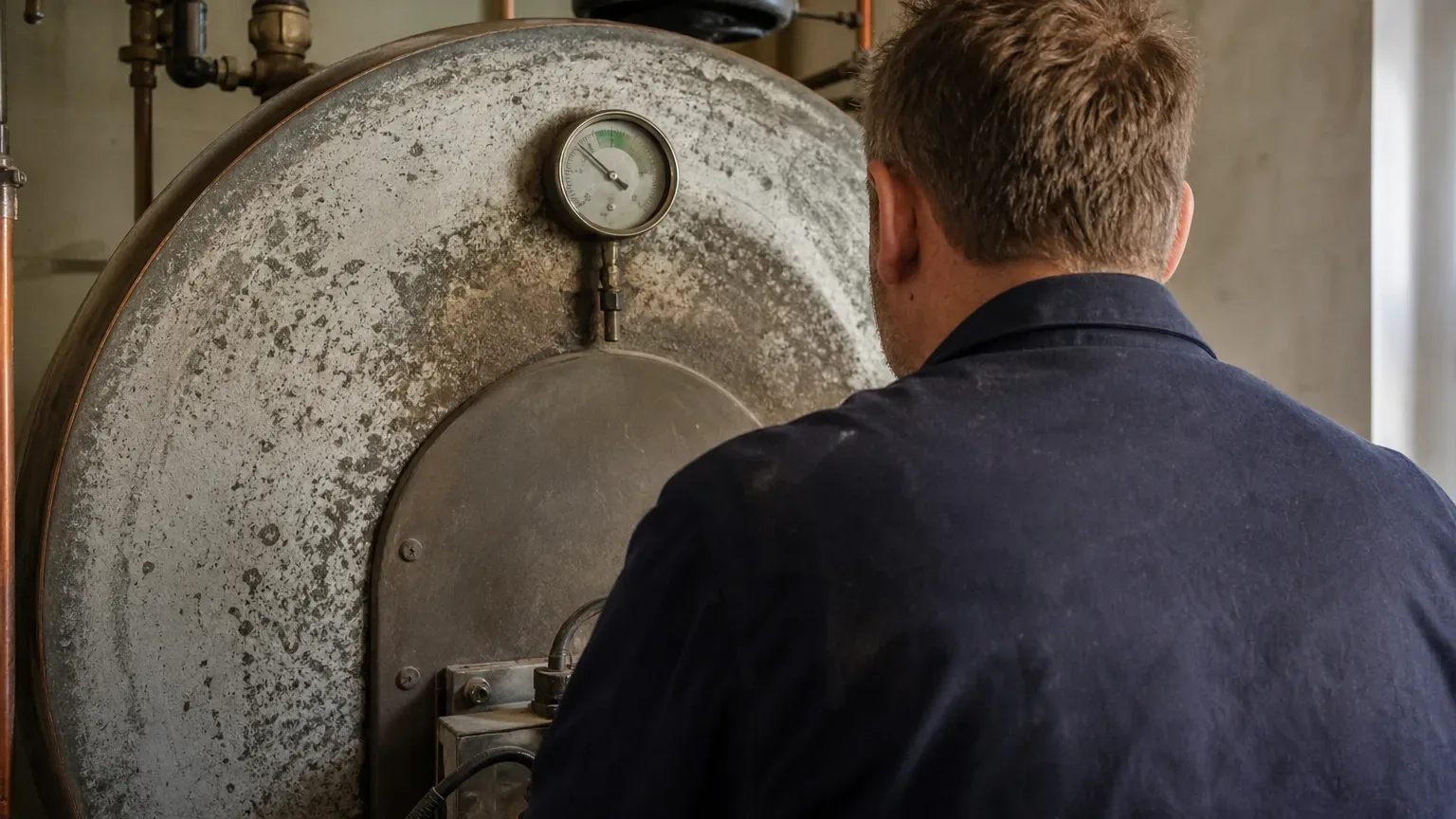
A boiler making noise is one of the most common calls heating engineers receive across Edinburgh, particularly as older systems work harder through the colder months. Some sounds are harmless. Others signal a problem that will worsen and cost more if left alone. Knowing the difference helps you act at the right time, without paying for an emergency callout unnecessarily.
Why Is My Boiler Making Noise?
Boilers make noise when something disrupts the normal flow of water, combustion, or pressure inside the system. The cause can be as simple as trapped air or as serious as a failing heat exchanger. Most sounds fall into a handful of recognisable categories, each pointing to a specific area of the system.
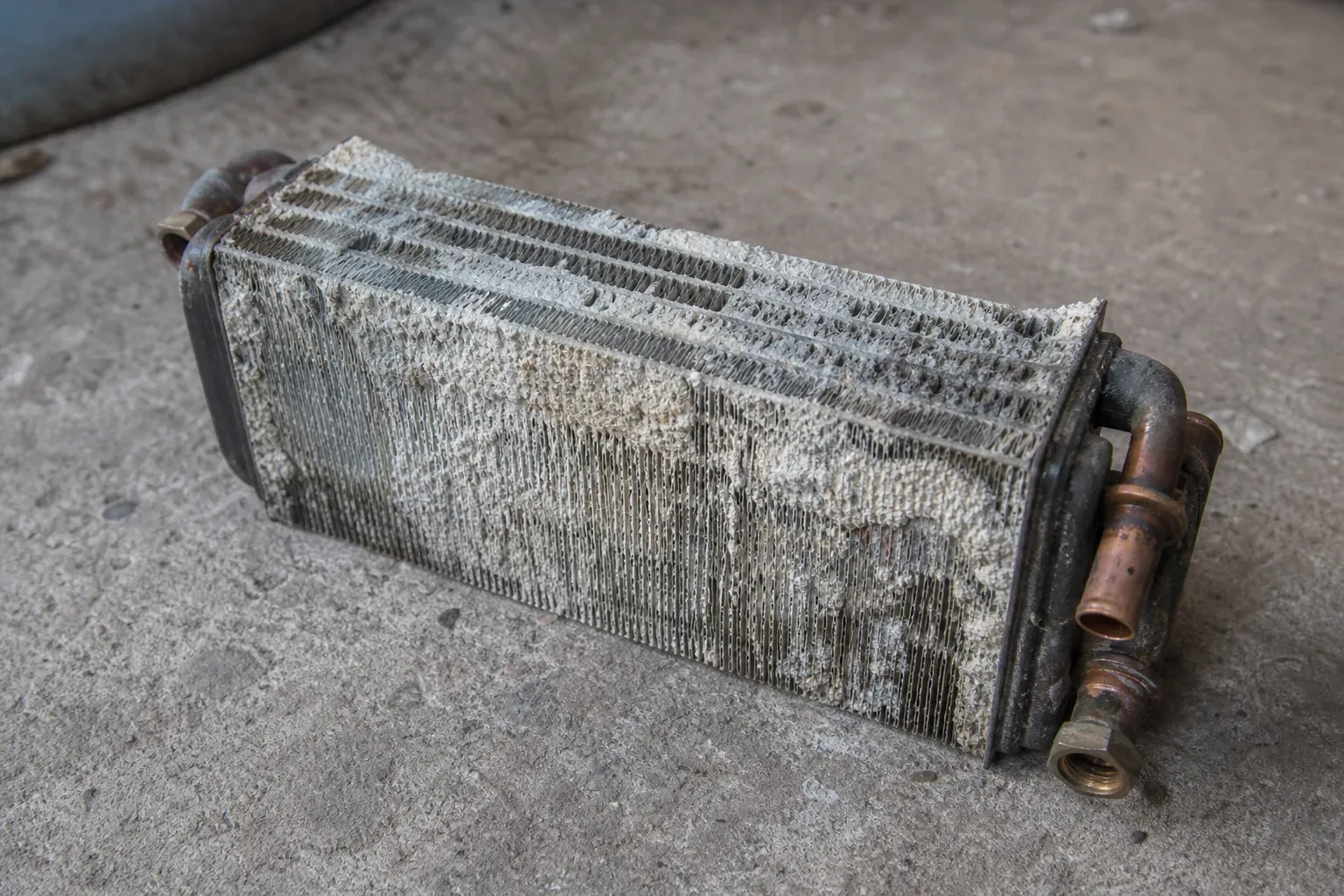
Edinburgh's water supply sits in a moderately hard water zone, which means limescale builds up inside heat exchangers over time. That build-up is behind the most frequently reported sound, kettling, but it is far from the only culprit.
What the Different Sounds Mean
Kettling - a Rumbling or Boiling Sound
Kettling is a low, rumbling noise that sounds exactly like a kettle approaching the boil. Limescale or sludge deposits restrict water flow through the heat exchanger, causing localised overheating and steam bubbles. Left unaddressed, it stresses the heat exchanger until it cracks, turning a £150 repair into a component replacement that can reach the cost of a new boiler.
A power flush, which typically costs £300–£500 for an average Edinburgh home, removes sludge from the system. If limescale is concentrated in the heat exchanger itself, a targeted descale or inhibitor treatment may be recommended instead.
Banging and Clunking
Sudden banging noises usually point to one of three things: water hammer, delayed ignition, or thermal expansion in the pipework. Water hammer is a sharp knock caused by a pressure wave when water flow stops abruptly, often traceable to a faulty valve. Delayed ignition produces a small bang on start-up as unburned gas ignites in a small burst rather than a smooth flame. Both warrant a Gas Safe registered engineer rather than a DIY fix.
Thermal expansion is less alarming. Copper pipes expand slightly as they heat and can knock against joists or clips. Fitting foam insulation or adjusting a loose pipe bracket usually resolves it.
Gurgling
Gurgling is almost always trapped air in the system. Radiators that are cooler at the top than the bottom confirm this. Bleeding the radiators releases the air, and most homeowners can do this themselves with a radiator key. If the system loses pressure frequently and needs regular bleeding, that points to a small leak or a failing auto air vent rather than a quick fix.
Whistling
A high-pitched whistle from the boiler itself often indicates a limescale problem similar to kettling, but at an earlier stage. Whistling from pipework can mean a partially closed valve restricting flow. Check that all lockshield and isolation valves are fully open before calling an engineer.
Vibrating or Humming
A persistent hum or vibration usually comes from the pump. Pumps have a finite lifespan and can become noisy when the bearings start to wear. A pump replacement is a straightforward repair for a heating engineer and costs considerably less than a full boiler replacement.
Should I Be Worried About Boiler Noise?
Most boiler noises do not require an emergency callout, but a few sounds should prompt you to act the same day. A loud bang on ignition, the smell of gas alongside any noise, or a boiler that repeatedly locks out after making a sound all require an immediate call to a Gas Safe registered heating engineer. Turn the boiler off and do not attempt to restart it until an engineer has assessed it.
Subtle sounds like gurgling or mild whistling can usually wait for a scheduled visit. Kettling should be booked in within a few weeks, not months, to avoid heat exchanger damage.
How a Heating Engineer Diagnoses Boiler Noise
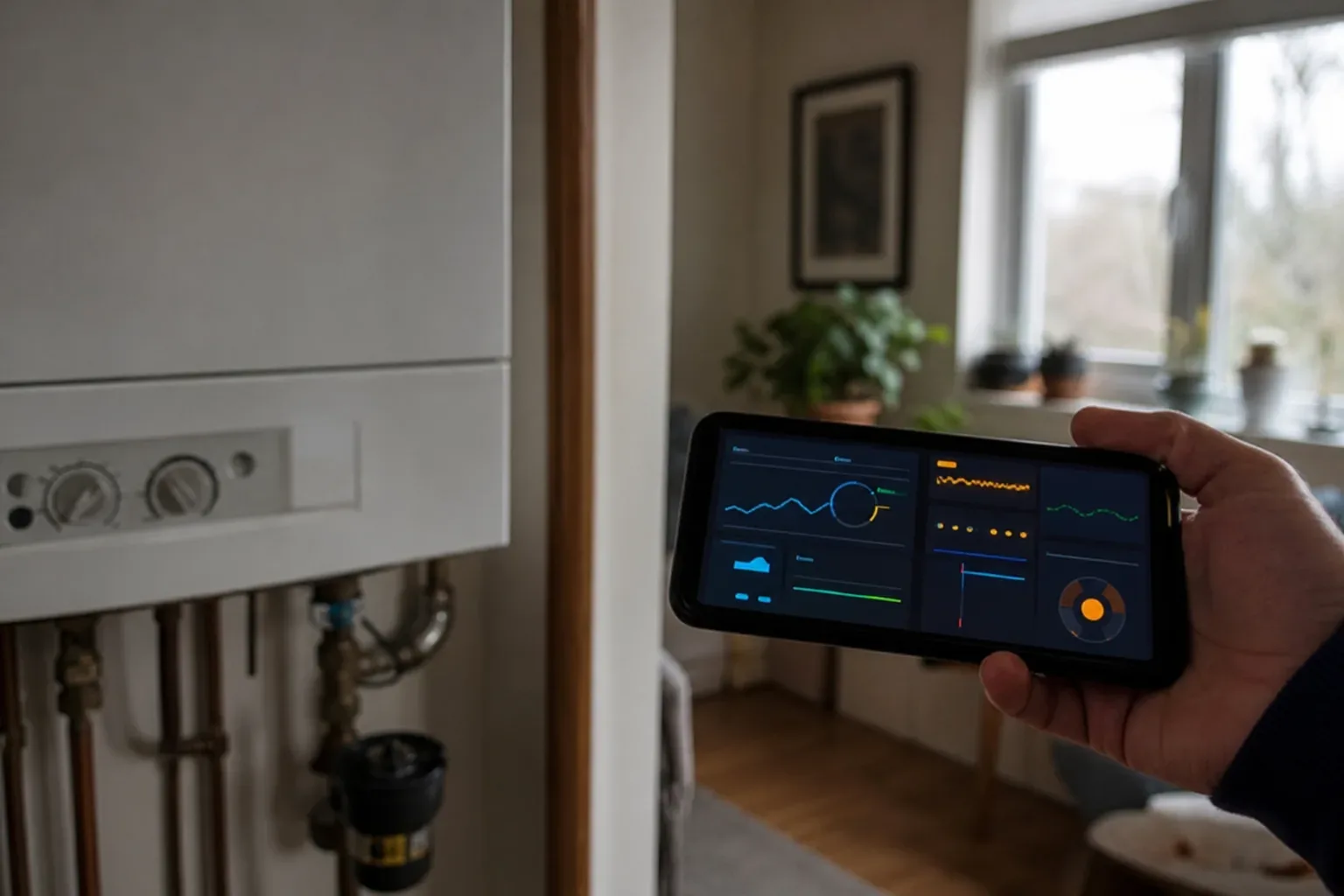
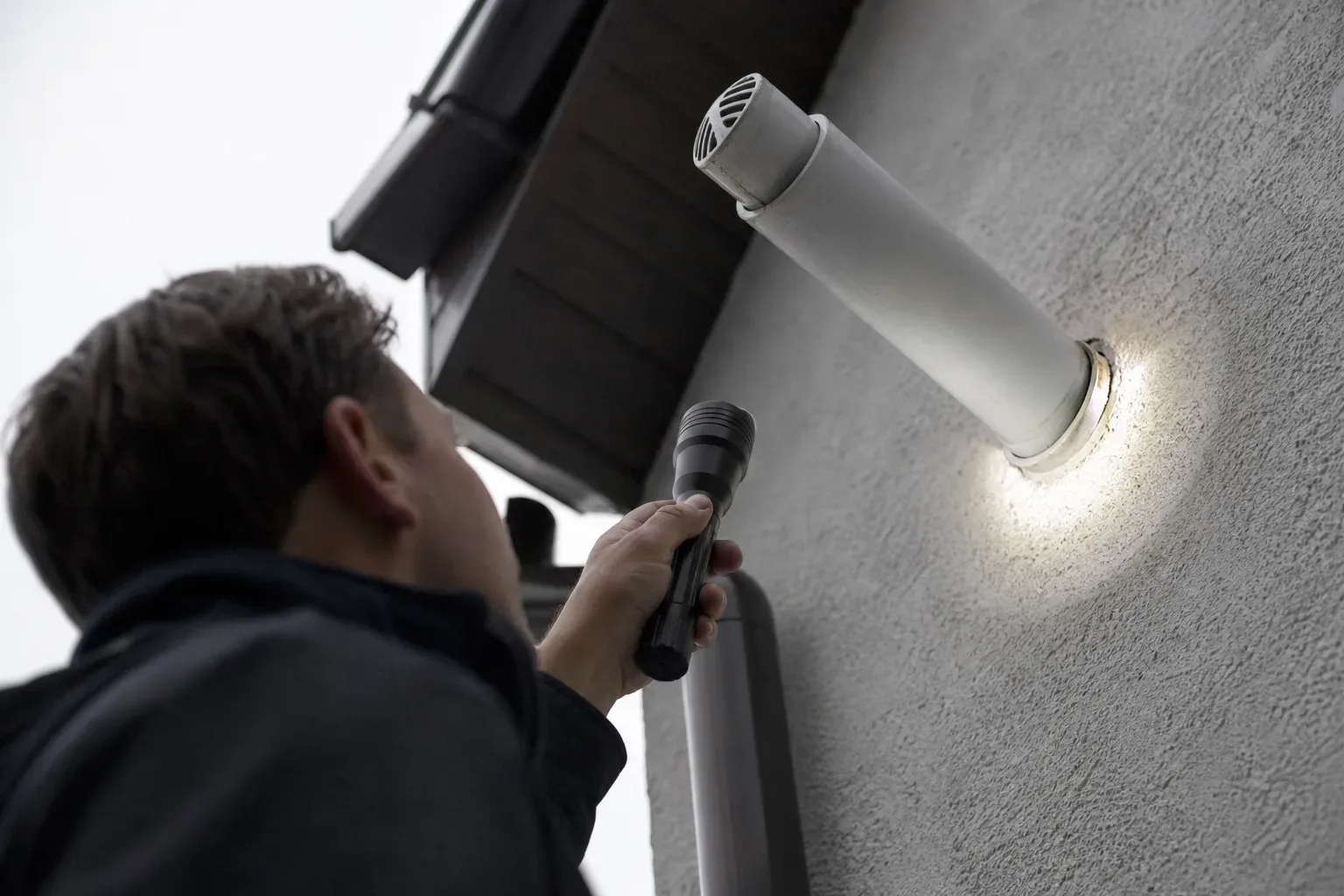
A diagnostic callout in Edinburgh typically costs £80–£150, which covers the engineer's time and any minor repair labour carried out during the visit. Parts are charged additionally. During the visit, the engineer will check system pressure, inspect the flue, test the pump, examine the heat exchanger, and run the boiler through a full cycle to reproduce the noise. That process takes around 30–60 minutes in most cases.
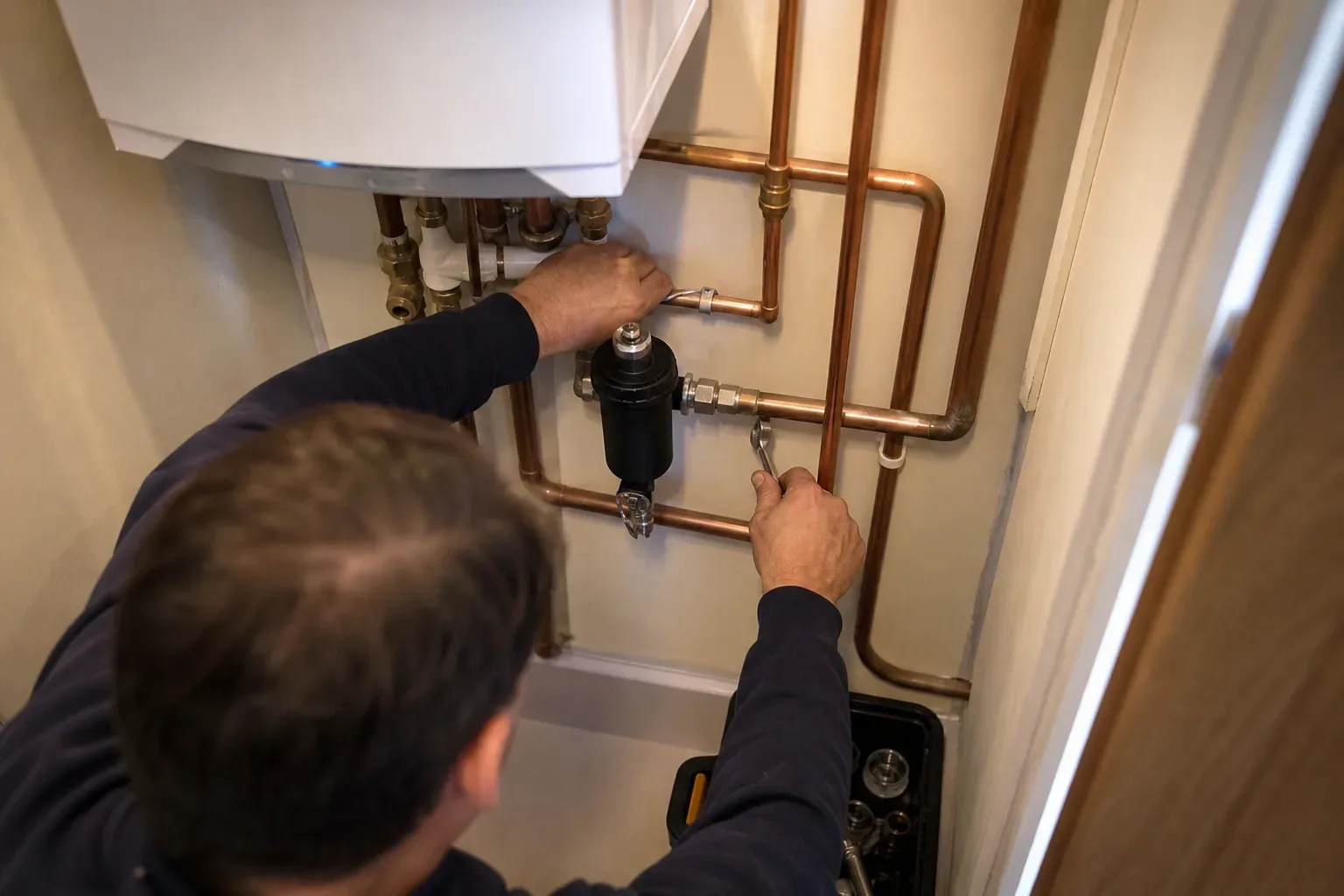
If a power flush is recommended, it is a separate appointment. The engineer will usually add a corrosion inhibitor to the system afterwards, which significantly slows future sludge accumulation. Having a magnetic filter fitted, if you do not already have one, protects the system between services.
When Noise Is a Sign the Boiler Needs Replacing
Boilers typically last 10–15 years. If your boiler is towards the upper end of that range and producing multiple sounds, the cost of repeated repairs can outpace the value of keeping it running. A new combi boiler installation in Edinburgh costs £2,000–£3,500 fitted, rising to £2,500–£4,500 for a system or heat-only boiler, particularly where the full system requires modification.
Manufacturers such as Worcester Bosch and Vaillant offer warranties of up to 10–12 years on higher-specification models, giving meaningful long-term protection. If your current boiler's repair cost exceeds roughly half a year's worth of projected running savings compared to a modern A-rated unit, replacement is often the more rational choice.
Keeping Noise from Returning
An annual boiler service, priced at £80–£120 in Edinburgh, catches early-stage problems before they become audible. The engineer checks combustion efficiency, cleans key components, and identifies pressure or pump issues that cause most of the sounds described here. Combined with a good-quality inhibitor and a magnetic filter, a serviced system is far less likely to develop the sludge and scale that drive the majority of noise complaints. Skipping annual services is the single most reliable way to shorten a boiler's working life.
Frequently Asked Questions
Why Is My Boiler Making Noise?
Boilers make noise when something disrupts normal water flow, combustion, or pressure inside the system. Common causes include trapped air (gurgling), limescale build-up in the heat exchanger (kettling), delayed ignition (banging on start-up), a worn pump (humming), or water hammer in the pipework. Most causes are fixable, but some, such as delayed ignition or a suspected gas issue, need a Gas Safe registered heating engineer to assess promptly.
What Does It Mean When a Boiler Makes Noise?
The specific sound usually points to a specific problem. Kettling, a rumbling or boiling noise, typically means limescale or sludge in the heat exchanger. Gurgling usually indicates trapped air. Banging on start-up can signal delayed ignition. A persistent hum often points to a failing pump.
Identifying the type of sound helps a heating engineer diagnose the fault faster and quote accurately before arriving.
Should I Be Worried About Boiler Noise?
Some noises, such as gentle gurgling from trapped air, are minor and can wait for a routine appointment. Others need same-day attention: a loud bang on ignition, any smell of gas alongside the noise, or a boiler that keeps locking out after making a sound. In those cases, switch the boiler off and call a Gas Safe registered engineer. Ignoring kettling for months can lead to heat exchanger damage, which is a significantly more expensive repair.
Can I Fix a Noisy Boiler Myself?
Bleeding radiators to clear trapped air is a safe DIY task that most homeowners can do with a standard radiator key. Checking that all valves are fully open to resolve whistling is also straightforward. Anything involving the gas supply, the heat exchanger, the pump, or the boiler's internal components must be handled by a Gas Safe registered heating engineer. Attempting gas-side repairs without registration is illegal and dangerous.
How Much Does It Cost to Fix a Noisy Boiler in Edinburgh?
A diagnostic callout in Edinburgh typically costs £80–£150, covering the engineer's time and minor repair labour, with parts charged separately. If a power flush is needed to clear sludge causing kettling, expect to pay £300–£500 for an average home. If the heat exchanger or pump needs replacing, costs vary depending on the boiler model. For older boilers nearing the end of their 10–15 year lifespan, a new combi boiler installation costs £2,000–£3,500 fitted.