 Boiler Services Edinburgh
Smart Heating Controls Edinburgh - Thermostats and Zone Control
Smart heating controls let you decide exactly when and where heat runs in your home, rather than heating every room on a fixed schedule. For Edinburgh homeowners dealing with cold winters and rising energy costs, that level of control translates directly into lower bills and a more comfortable house. A well-configured smart thermostat can reduce heating energy use noticeably, particularly in older tenement flats or Victorian semis where heat has historically been difficult to manage room by room.
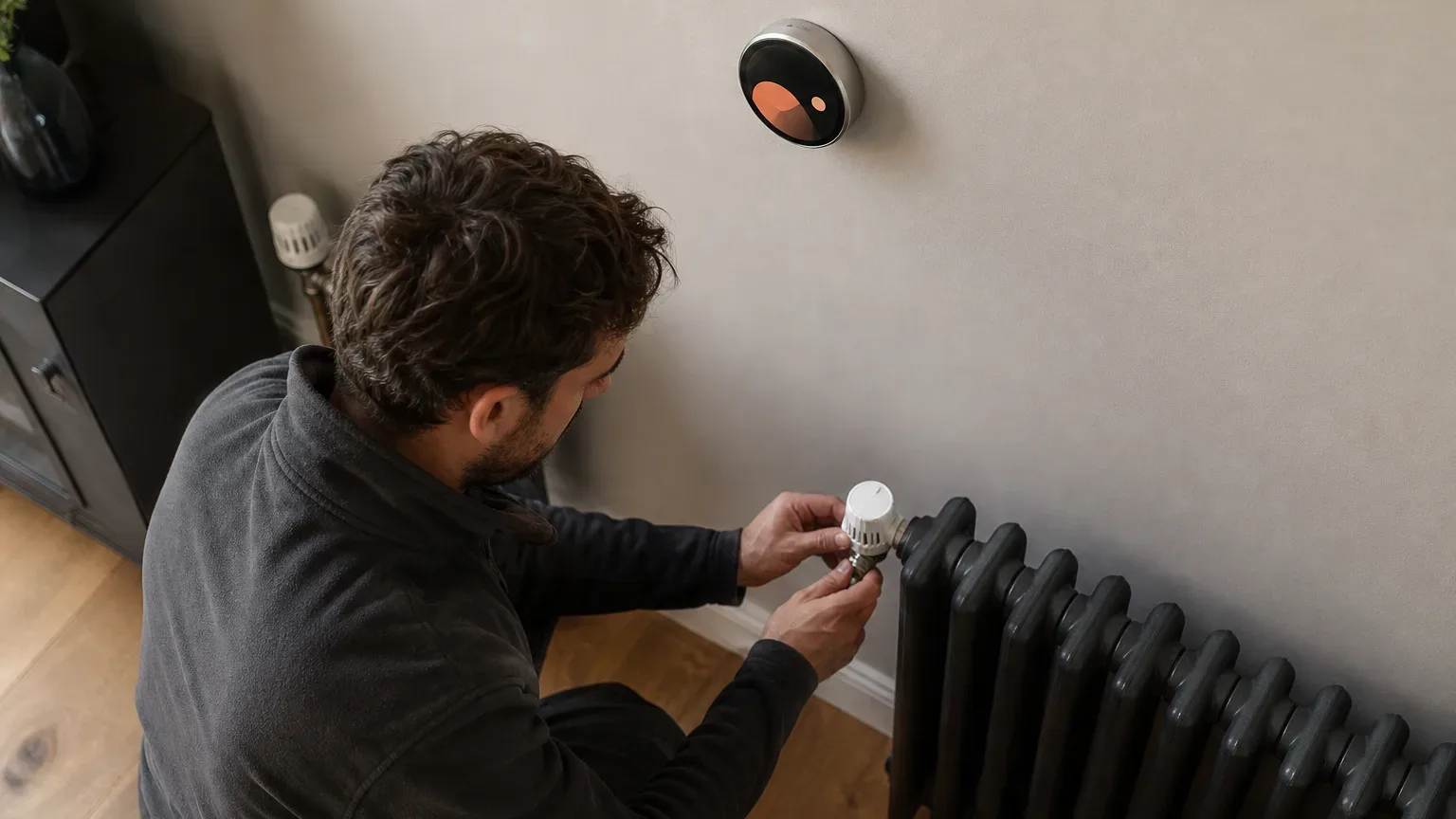
What Smart Heating Controls Actually Do
A standard programmer switches your boiler on and off at set times. A smart thermostat goes further: it learns your schedule, responds to your phone's location, and adjusts output based on outdoor temperature. Many systems also provide energy reports so you can see where heat is being wasted.
Zone control takes this further still. Instead of one thermostat governing the whole house, individual rooms or zones each get their own temperature target. A bedroom set to 17°C and a living room set to 21°C operate independently. This is particularly useful in larger Edinburgh homes or properties with extensions where one room always overheats while another stays cold.
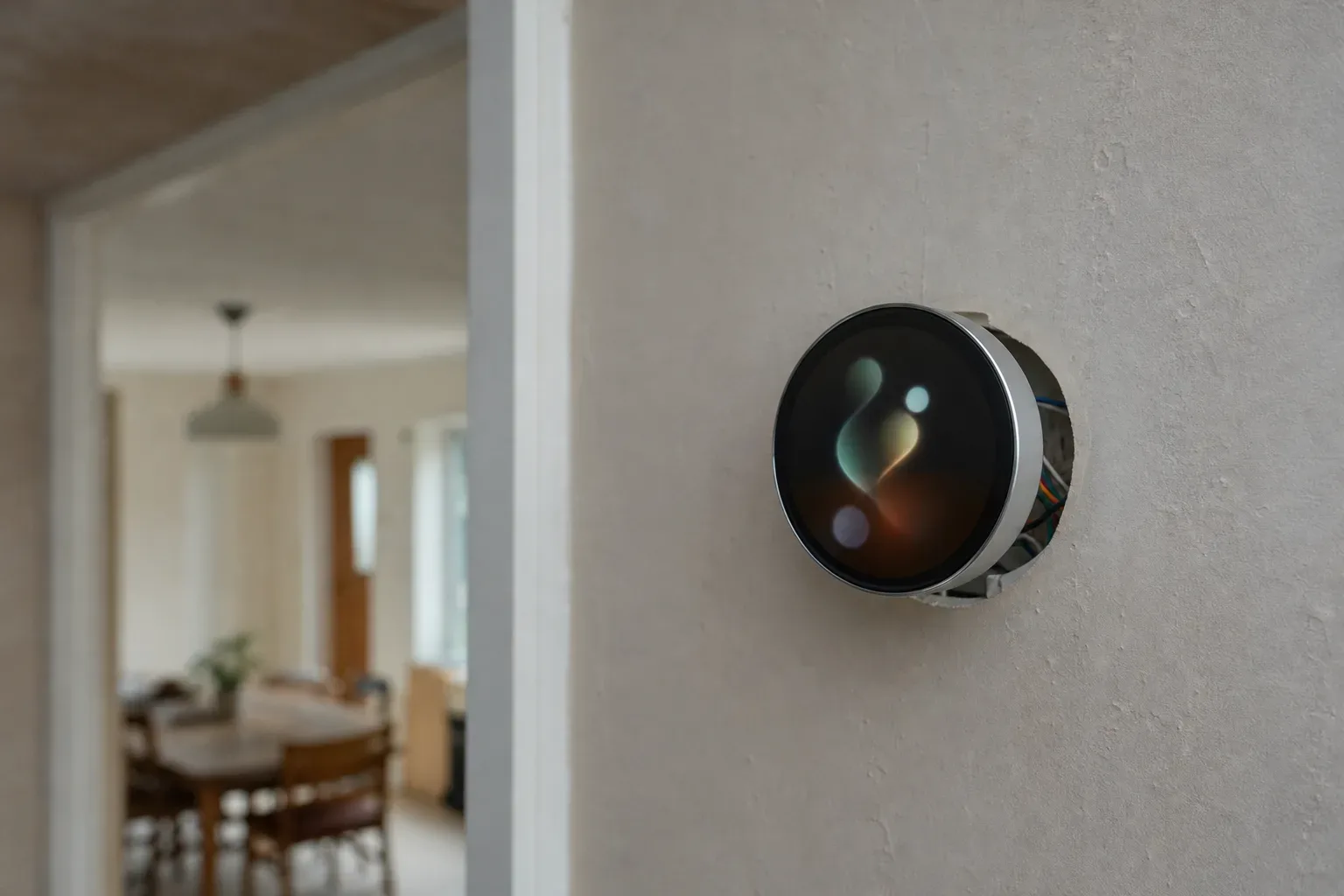
Which Smart Thermostat Is Right for Edinburgh Homes?
The UK market is dominated by a handful of well-tested brands. Nest (now Google Nest), Hive, and Tado are the most widely fitted by heating engineers in Edinburgh. Worcester Bosch and Vaillant both produce their own smart controls, the Wave and the sensoCOMFORT respectively, designed to integrate tightly with their own boilers.
Compatibility is the first thing to check. Some smart thermostats require a common wire (C-wire) or a specific wiring configuration that older Edinburgh properties may not have. A Gas Safe registered heating engineer can assess your existing wiring before you commit to any particular system. Attempting to install a smart thermostat on an incompatible setup can trip the boiler's error codes or leave the system unable to call for heat reliably.
Wireless vs. Wired Systems
Wireless smart thermostats communicate via radio frequency or Wi-Fi, which removes the need to run new cables through walls. This suits Edinburgh tenements and older properties where chasing walls for wiring is disruptive or structurally impractical. Wired systems offer a more stable connection but involve more installation work. For most homes, a wireless system installed by a competent engineer performs just as reliably.
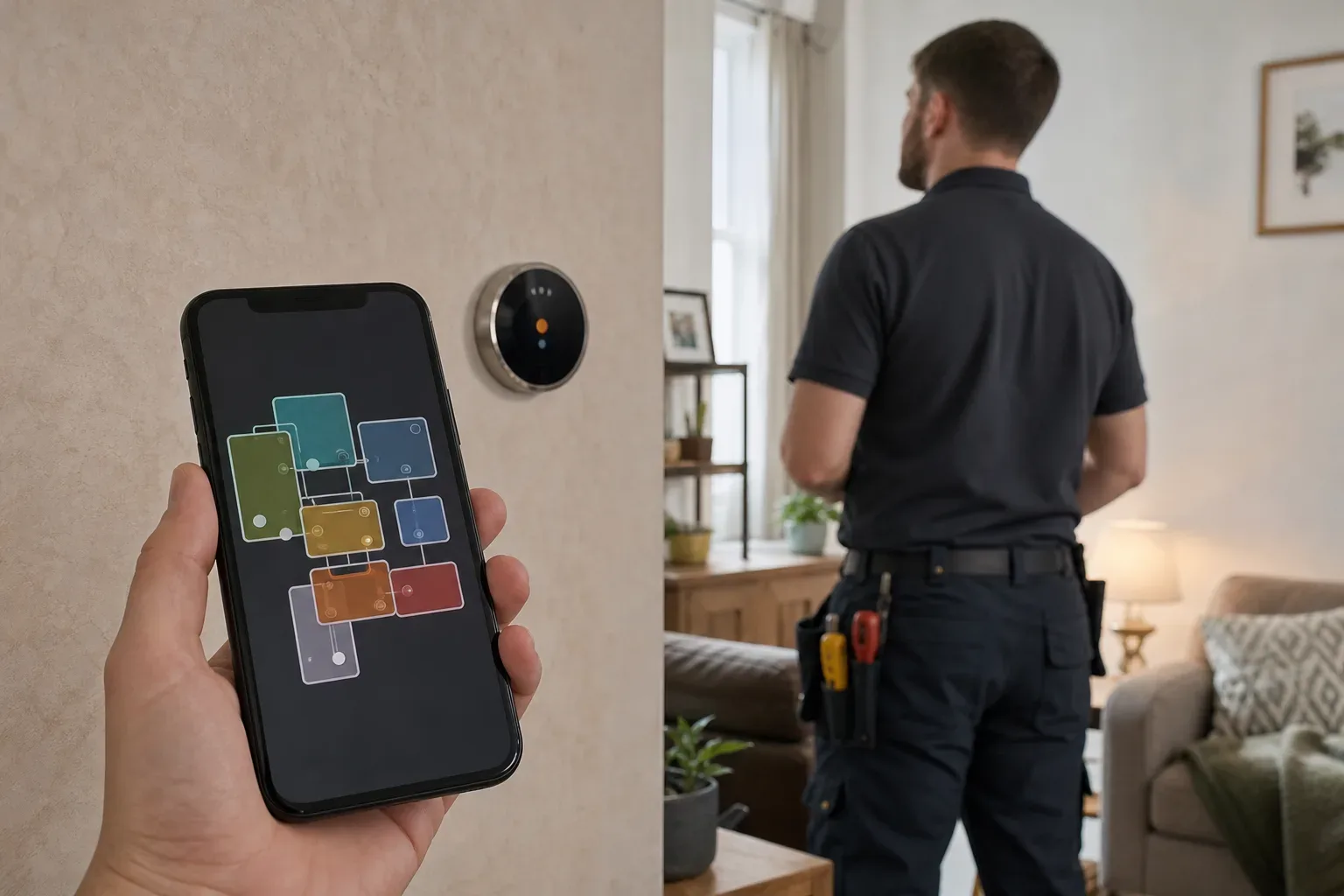
Zone Control and Multi-Room Heating
Basic zone control divides a house into two zones, usually upstairs and downstairs, each controlled independently. More advanced systems use smart thermostatic radiator valves (TRVs) on each radiator, allowing individual room control from a single app.
Smart TRVs pair with a central hub and a main thermostat. Brands such as Tado, Drayton Wiser, and Honeywell Evohome offer full multi-room systems. The Evohome system, for example, can control up to 12 zones individually. For a typical Edinburgh home with 8–12 radiators, a multi-room setup gives you precise control over every occupied space.
Zone control is not purely a comfort upgrade. Rooms that are unoccupied during the day, a home office used only in the evening or a spare bedroom, can be held at a lower background temperature without affecting the rest of the house. Over a full heating season, that difference in set-point across two or three rooms adds up.
Installation - What to Expect
A straightforward smart thermostat swap, replacing an existing programmer and room thermostat with a single smart device, typically takes two to four hours. A heating engineer will isolate the boiler, remove the old controls, wire in or position the new thermostat, and commission the system to confirm it fires the boiler correctly.
A full multi-zone installation with smart TRVs on every radiator takes longer. The engineer fits a TRV head to each radiator valve, installs the central hub, pairs every device to the system, and walks you through the app setup. Depending on the number of radiators and any wiring work required, this can take a full day.
All gas-related work must be carried out by a Gas Safe registered engineer. Smart thermostat controls themselves are low-voltage and do not require a Gas Safe registration, but any adjustment to the boiler wiring or controls circuit that interfaces with the gas appliance does. Always confirm your engineer's registration before work begins.

Pairing Smart Controls with a Healthy Boiler
Smart controls extract the most value from a boiler that is already running efficiently. A boiler that has not been serviced in several years, or one that is nearing the end of its typical 10–15 year lifespan, may not respond well to the more dynamic demand patterns that a smart system creates.
An annual boiler service, costing around £80–£120 in Edinburgh, is the minimum baseline before investing in smart controls. If your boiler is over a decade old, a heating engineer can advise whether the system is worth upgrading or whether a new installation makes more sense. A new combi boiler installation in Edinburgh typically costs £2,000–£3,500 fitted, while a system or heat-only boiler installation runs £2,500–£4,500 depending on the boiler specification and system complexity.
Smart controls paired with a recently serviced or new boiler, and a clean central heating system, deliver the best measurable results. If your radiators take a long time to heat up or some stay cold, the system may need a power flush before smart controls will make a noticeable difference. A power flush on an average Edinburgh home typically costs £300–£500.
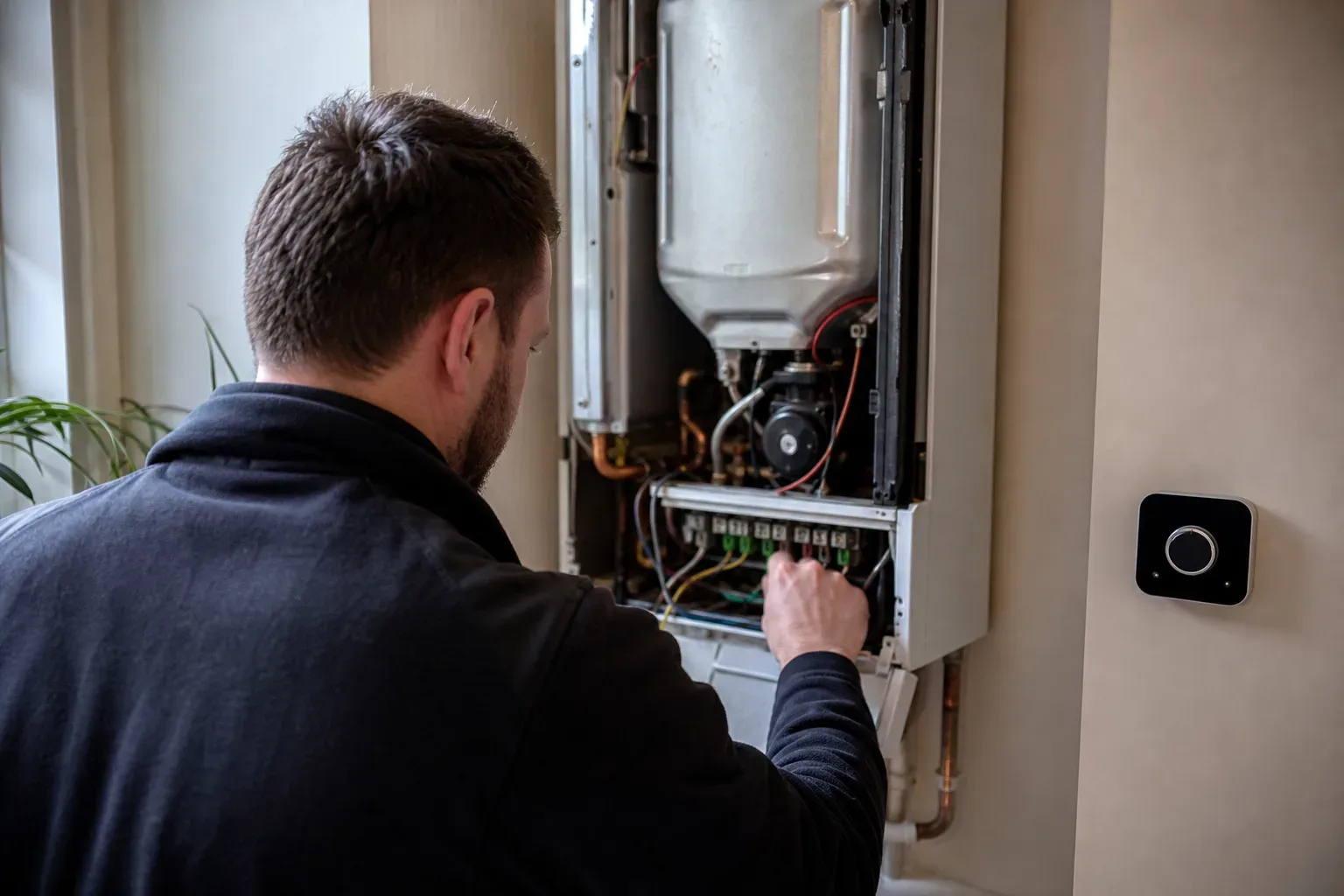
Practical Steps Before You Buy
Check your boiler's compatibility first. Most modern condensing boilers made in the last decade work with the major smart thermostat brands, but it is worth confirming before purchasing any hardware. Brand-specific systems from Worcester Bosch or Vaillant often integrate more reliably with their own boilers and can display additional diagnostic data through the app.
Decide whether you want a single-zone or multi-zone setup based on how you actually use your home. A flat where all rooms are occupied at similar times benefits less from individual room control than a family house where bedrooms, a home office, and a living room operate on different schedules. A good heating engineer will ask about your household's routine before recommending a system, because the best setup is the one matched to how you live rather than the most feature-rich product on the shelf.
Frequently Asked Questions
Which Smart Thermostat Is Best in the UK?
Google Nest, Hive, and Tado are the most widely used smart thermostats in the UK, each with strong app support and broad boiler compatibility. Boiler manufacturers like Worcester Bosch and Vaillant also produce their own smart controls designed to integrate tightly with their systems. The best choice depends on your boiler model, your home's wiring, and whether you want single-zone or multi-room control. A Gas Safe registered heating engineer can confirm compatibility before you purchase.
How Much Is a Totally New Central Heating System?
A new combi boiler installation in Edinburgh typically costs £2,000–£3,500 supplied and fitted, while a system or heat-only boiler installation runs £2,500–£4,500 depending on the boiler specification and the complexity of the existing pipework. These figures cover the boiler and installation labour; additional work such as new radiators, a power flush, or upgraded controls would be quoted separately. A heating engineer can carry out a survey to give you an accurate figure for your property.
Who Is Eligible for the Free Heating Scheme in Scotland?
Free heating schemes in Scotland are generally administered by the Scottish Government and are aimed at households on lower incomes or those living with certain health conditions. Eligibility criteria, available funding, and scheme names change over time. The most reliable and up-to-date information can be found at gov.scot or by contacting Home Energy Scotland, which provides free and impartial advice on support available to Scottish homeowners and tenants.
Can I Get Free Windows and Doors in Scotland?
Some Scottish Government energy efficiency schemes have included measures such as windows and doors for eligible households, particularly where draughts or heat loss are significant. These schemes are means-tested and subject to available funding. Home Energy Scotland is the official first point of contact for homeowners wanting to find out what measures they may qualify for under current programmes.
What Government Grants Are Available for Homeowners in Scotland?
Scottish homeowners may be able to access support through schemes run by the Scottish Government, covering insulation, heating upgrades, and energy efficiency improvements. The availability and scope of grants change as funding rounds open and close. Home Energy Scotland (accessible via energysavingtrust.org.uk/scotland or by calling their helpline) is the authoritative source for current grant information and can carry out a free assessment of what support your household may be eligible for.