 Boiler Services Edinburgh
Central Heating Installation Edinburgh - Full System Guide
What a Full Central Heating Installation Actually Involves
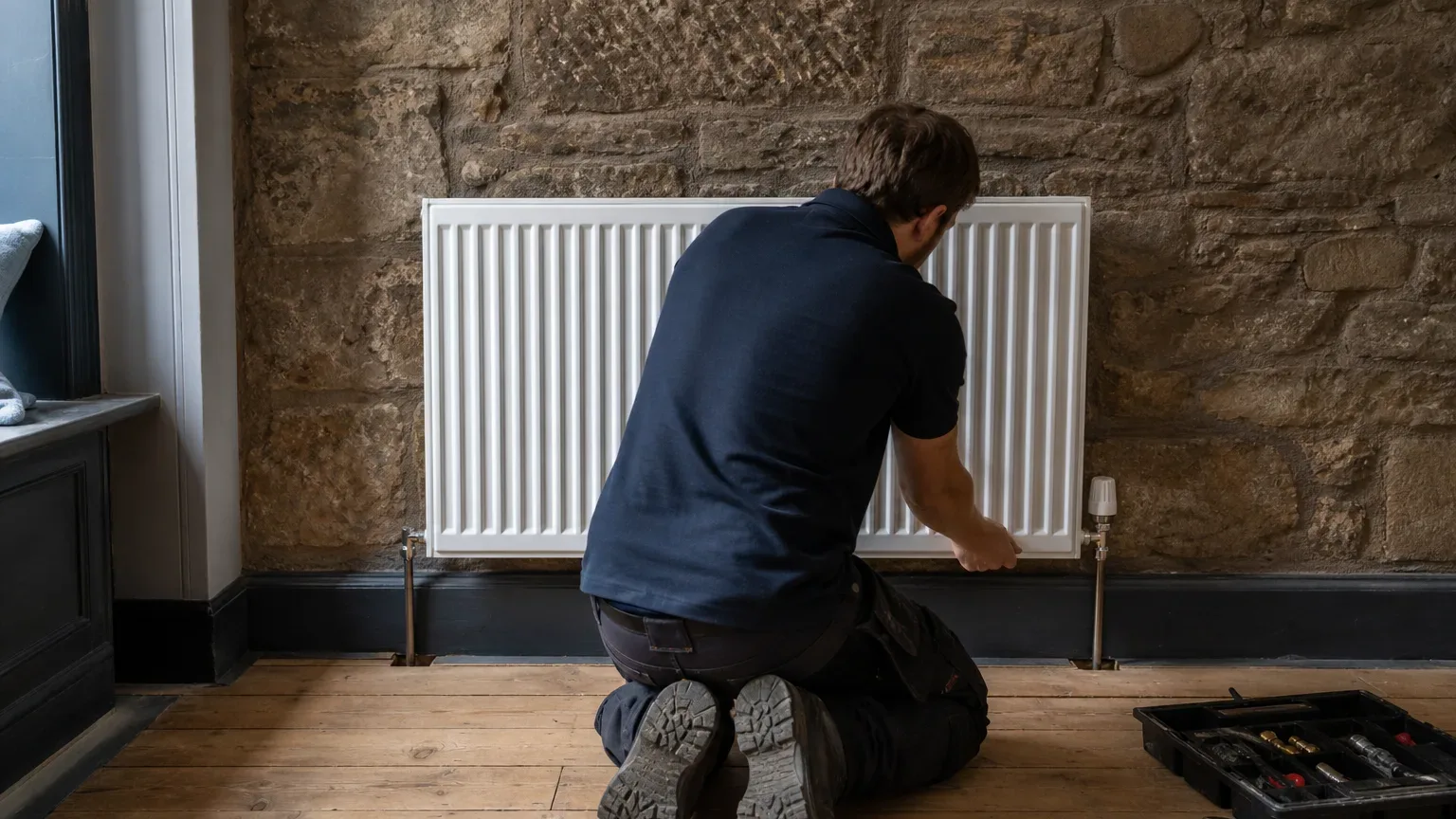
A central heating installation covers far more than dropping a boiler into an airing cupboard. It includes designing the heat distribution layout, sizing the boiler correctly for the property, running pipework, fitting radiators or underfloor heating circuits, and commissioning the system to manufacturer specification. In Edinburgh, where many homes are stone-built Victorian or Edwardian tenements with solid walls, the pipework routing often requires more planning than a modern new-build would.
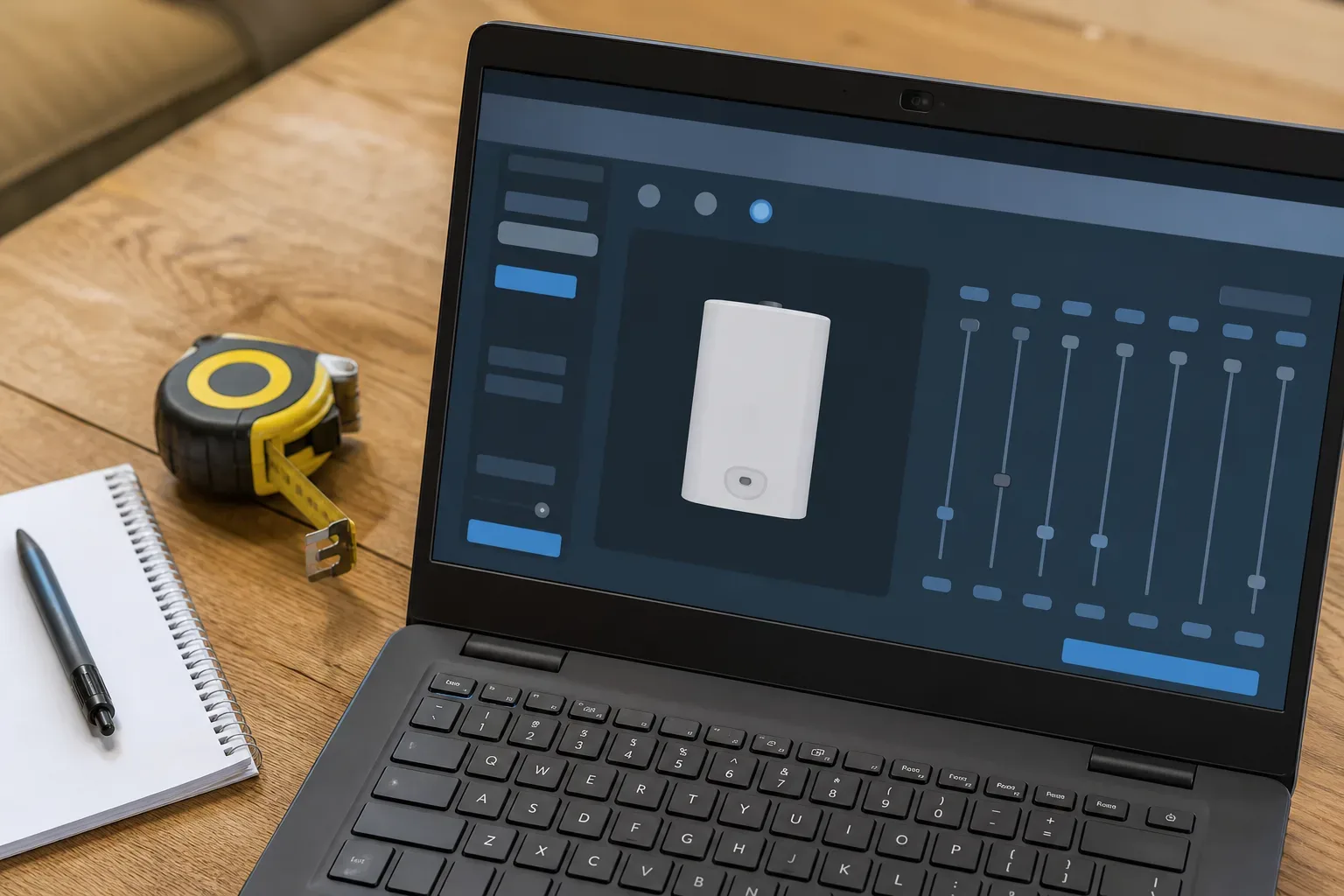
A competent heating engineer will carry out a heat loss calculation before specifying anything. This calculation accounts for room volume, window area, insulation quality, and how exposed the building is. Getting it wrong means either an undersized boiler that struggles on cold January mornings or an oversized one that short-cycles and wears out early.
Gas, Oil, or Electric - Choosing the Right Heat Source
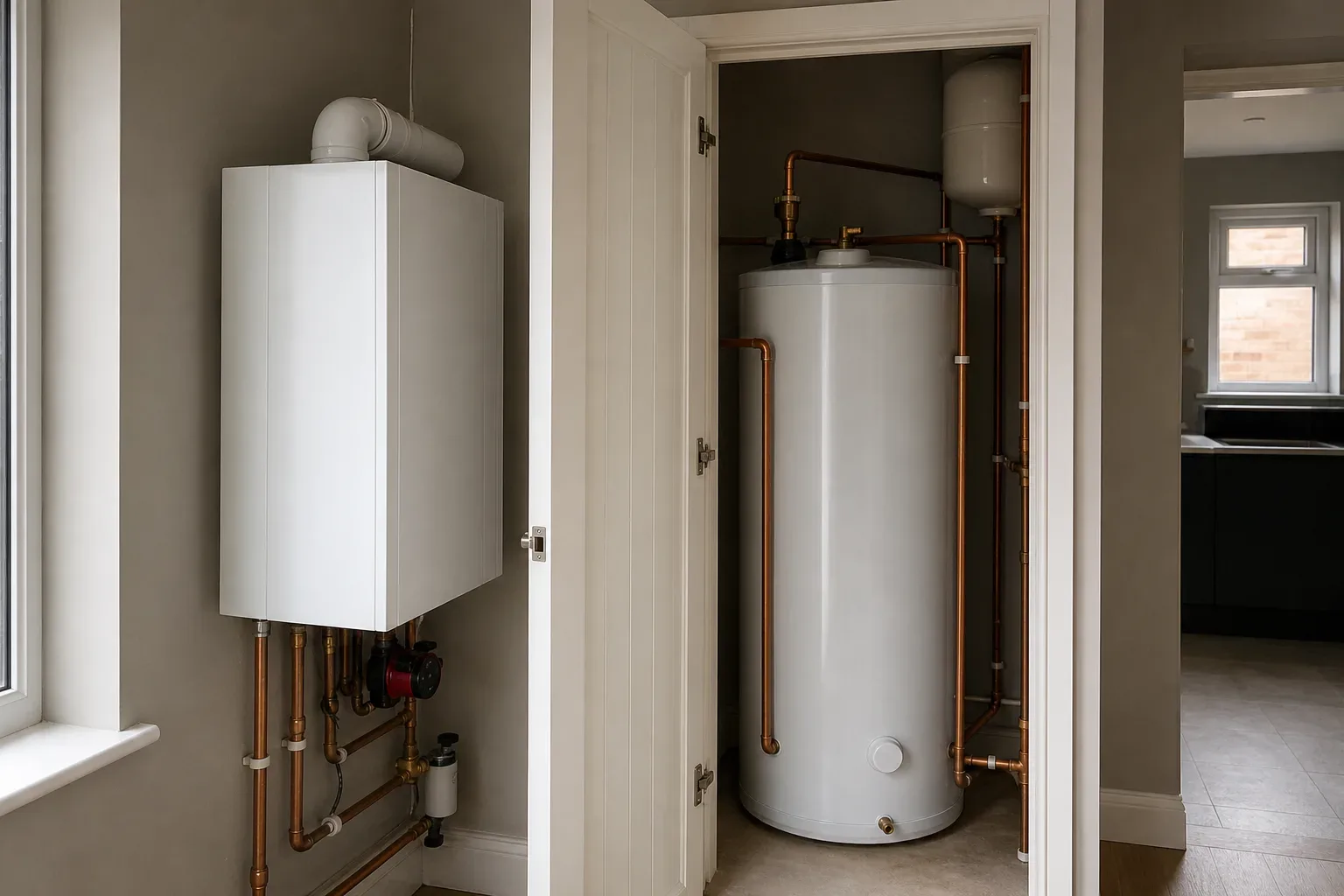
The vast majority of Edinburgh homes are connected to the gas network, making a gas-fired combi or system boiler the standard choice. Combi boilers supply heating and hot water directly from the mains without a separate storage cylinder, which suits flats and smaller terraced houses well. System boilers work alongside a separate hot water cylinder and are better matched to larger homes with higher simultaneous demand.
Oil is relevant only where mains gas is unavailable, which is rare within the city but more common in the surrounding Lothians. Heat pumps are growing in take-up, though they require different radiator sizing and adequate insulation to perform efficiently. For most Edinburgh homeowners replacing an existing gas system, a modern condensing gas boiler remains the most cost-effective starting point.
Sizing and Specifying the Boiler
Boiler output is measured in kilowatts. A typical three-bedroom Edinburgh semi-detached needs roughly 24–30 kW for a combi, while a larger detached property or one with a cylinder may need 35 kW or more. These are starting-point figures; the heat loss calculation will refine the number.
Brands worth considering include Worcester Bosch, Vaillant, Ideal, Baxi, and Viessmann. Manufacturer warranties on current models typically run from 5 to 12 years depending on the brand and model tier, with Worcester Bosch and Vaillant generally sitting at the upper end of that range. Opting for a mid-range or premium model usually adds £300–£600 to the upfront cost but can reduce long-term repair exposure significantly.
What Does Central Heating Installation Cost in Edinburgh?
A new combi boiler supplied and fitted in Edinburgh typically costs £2,000–£3,500. That range reflects the boiler grade chosen, the complexity of the existing pipework, and whether the flue needs extending or relocating. A system or heat-only boiler installation runs higher, usually £2,500–£4,500, because a hot water cylinder and additional controls are part of the scope.
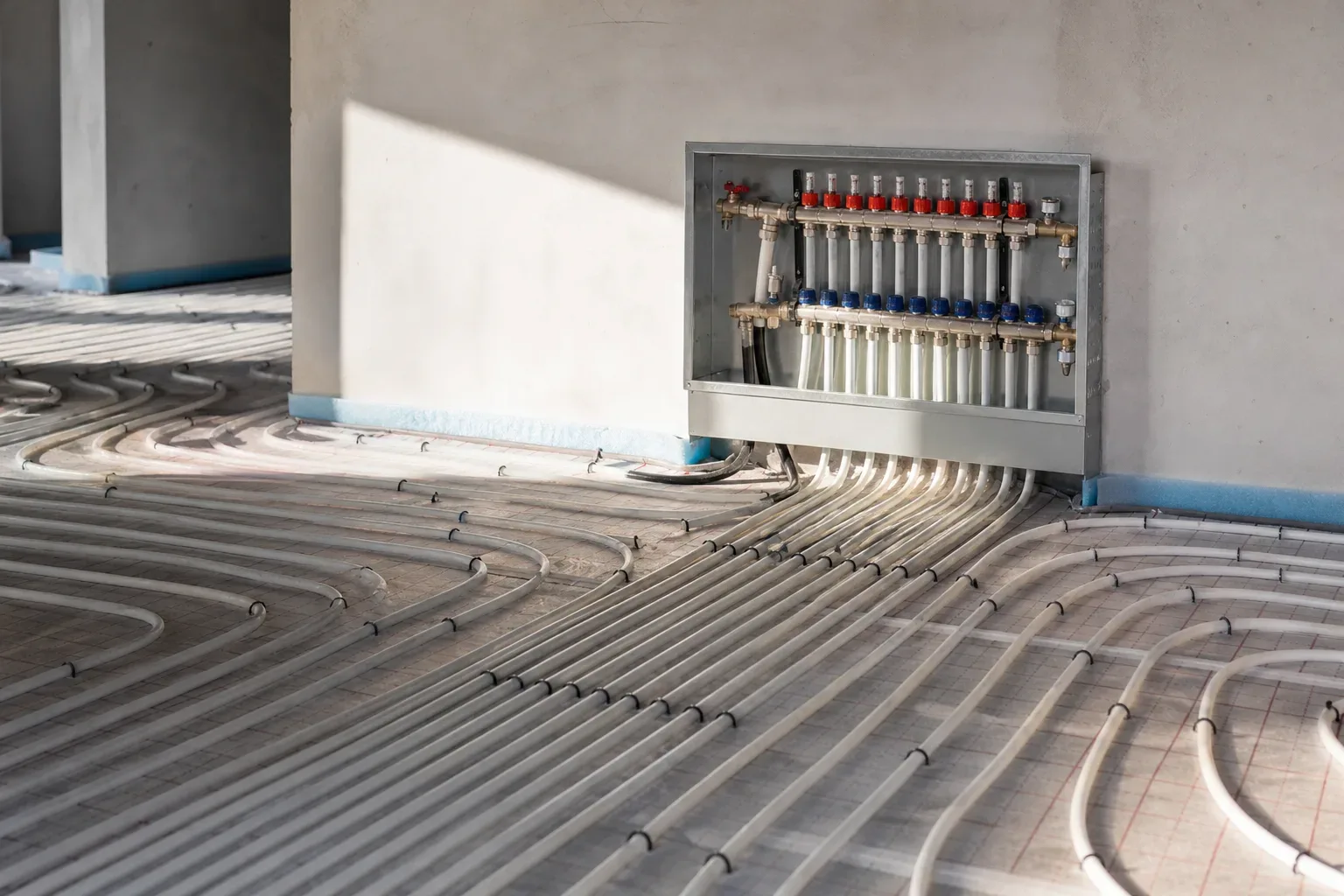
If you are adding radiators to extend the system, budget £150–£300 per radiator in labour, with the radiator itself supplied separately unless your engineer quotes a supply-and-fit package. Underfloor heating costs £50–£150 per square metre, with wet systems at the higher end because they tie into the boiler circuit and require a manifold, pump, and actuators.
What Affects the Final Price
Older Edinburgh properties built before 1920 often have gravity-fed systems with large-bore pipework that needs adapting to suit a modern boiler. Microbore pipework from 1970s and 1980s installations can restrict flow and may need partial replacement. Access for routing new pipework through stone walls adds time and therefore cost.
If the system has not been flushed in many years, a power flush before or after installation is worth budgeting for. For an average Edinburgh home with 8–12 radiators, a power flush costs £300–£500. Skipping it risks sludge contaminating the new boiler's heat exchanger within a few years.
The Installation Process Step by Step
A straightforward boiler swap-out on an existing system typically takes one to two days. A full installation covering new pipework, radiators, and controls is more realistically a three-to-five-day job depending on the property size and layout.
The sequence generally runs: drain the existing system, remove old equipment, run new pipework where needed, fit the boiler and flue, connect radiators and controls, fill and pressurise the system, and commission. Commissioning is not optional. It includes setting the boiler's gas rate, checking flue integrity, balancing the radiators, and programming the controls. All gas work must be carried out by a Gas Safe registered engineer.
Any engineer you hire should be able to provide their Gas Safe registration number on request before work begins.
Controls and Smart Thermostats
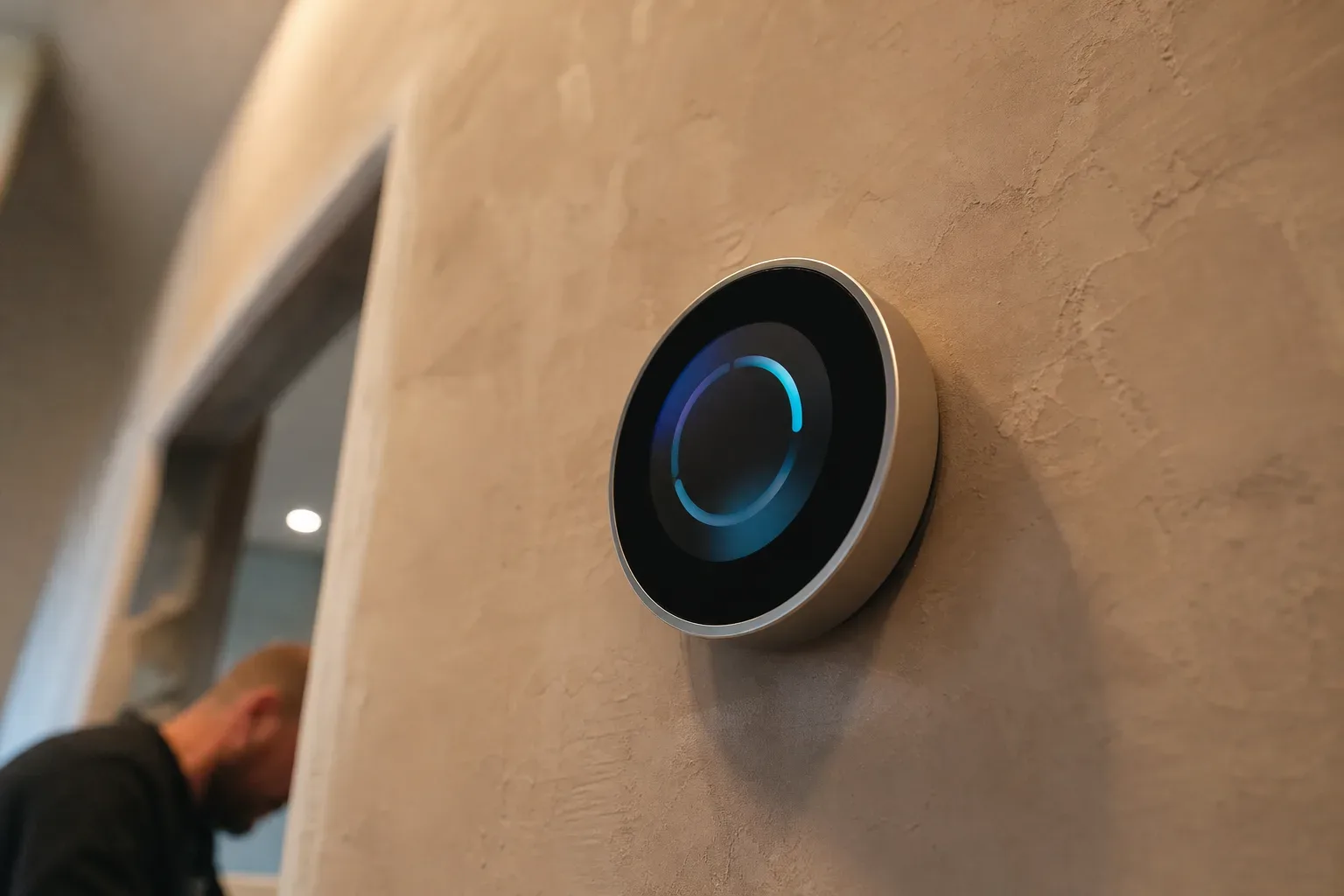
Modern installations typically include a room thermostat, a programmer or timer, and thermostatic radiator valves (TRVs) on individual radiators. Smart thermostats such as Nest or Hive add remote control via a phone app and learning schedules that can reduce gas consumption noticeably. The incremental cost over a standard programmer is usually £150–£250 fitted, and the payback period through reduced gas use is often under two years.
What to Expect After Commissioning
Once commissioned, the system should be balanced so that radiators heat up evenly across the property. The engineer will also demonstrate the controls and hand over the boiler manual and any warranty registration documents. Most manufacturers require the homeowner to register the boiler online within a set period to activate the full warranty term.
Schedule the first annual service within 12 months of installation. A standard service in Edinburgh costs £80–£120 and keeps the warranty valid with most manufacturers while also catching any early-life faults. If you are a landlord, a combined service and Gas Safety Record (CP12) visit costs £90–£130 and satisfies your legal obligation to provide tenants with an annual gas safety check.
Preparing Your Home for Installation Day
Clear the area around the boiler location and along the planned pipework routes before the engineer arrives. In Edinburgh tenements, this often means moving furniture away from skirting-board runs or freeing up access under floorboards in common close areas. Check whether your building factor or property management company needs to be notified if works affect shared walls or the common close.
Water will be off for most of the installation period, so plan accordingly. The engineer should leave the property with the system running, balanced, and the hot water working before they leave on the final day. If anything is not right at sign-off, raise it before the engineer leaves rather than raising a callback later.
Frequently Asked Questions
Are Electric Central Heating Boilers Any Good?
Electric boilers work well in properties without a mains gas connection, particularly smaller flats or homes in rural areas outside Edinburgh where gas is unavailable. They are compact, require no flue, and have fewer moving parts than gas boilers. The significant drawback is running cost: electricity in the UK currently costs roughly four times as much per unit as gas, so heating bills can be considerably higher over a full year compared with an equivalent gas system.
How Much Does a Plumber Charge to Install a Boiler in the UK?
Gas boiler installation must be carried out by a Gas Safe registered heating engineer, not a general plumber. In Edinburgh, a new combi boiler supplied and installed typically costs £2,000–£3,500, while a system or heat-only boiler installation usually runs £2,500–£4,500. The range reflects the boiler model chosen, the complexity of the existing system, and whether flue or pipework modifications are needed. Always confirm whether the quote includes VAT, the boiler itself, and any associated controls.
Can I Use My Existing Radiators with an Electric Boiler?
In most cases, yes. Electric boilers that use a wet central heating circuit connect to existing pipework and radiators in the same way as a gas boiler, so a like-for-like swap is usually straightforward. However, if you are switching from a heat pump rather than a standard boiler, you may need larger radiators because heat pumps operate at lower flow temperatures. A heating engineer can assess your existing radiators and confirm whether they are adequately sized for the new heat source.
What Are the Downsides of Using an Electric Boiler?
The primary downside is running cost. Electricity is significantly more expensive per kilowatt-hour than mains gas in the UK, which means annual heating bills for an electric boiler are often two to four times higher than for an equivalent gas system. Electric boilers are also limited in maximum output, typically topping out around 15 kW for residential models, which may be insufficient for larger homes with high heat demand. They are best suited to smaller, well-insulated properties where total energy use is low.
Why Are Electric Boilers Not Commonly Used?
The main reason is the cost of electricity relative to gas. In the UK, gas has historically been the cheapest fuel for space heating, and the existing gas network covers the vast majority of urban and suburban properties including most of Edinburgh. Because the infrastructure is already in place and running costs are lower, gas condensing boilers remain the dominant choice. Electric boilers may become more competitive as the electricity grid decarbonises and if gas prices rise further, but at present they are mainly chosen where gas is simply unavailable.