 Boiler Services Edinburgh
Underfloor Heating Edinburgh - Installation Options for Scottish Homes
Underfloor heating turns the entire floor into a radiant heat source, warming a room from the ground up rather than from a single wall-mounted panel. For Edinburgh homeowners, that distinction matters: older stone-built properties and modern new-builds alike can benefit, but the right system depends on your floor construction, your heat source, and how much disruption you can tolerate during installation.
Two Systems, Two Very Different Installations
Every underfloor heating system is either wet or electric. Wet systems circulate warm water through pipes buried in or clipped beneath the floor. Electric systems use resistance mats or cables that generate heat directly when current passes through them. Both deliver the same comfortable warmth underfoot, but they suit different circumstances.
Wet Underfloor Heating
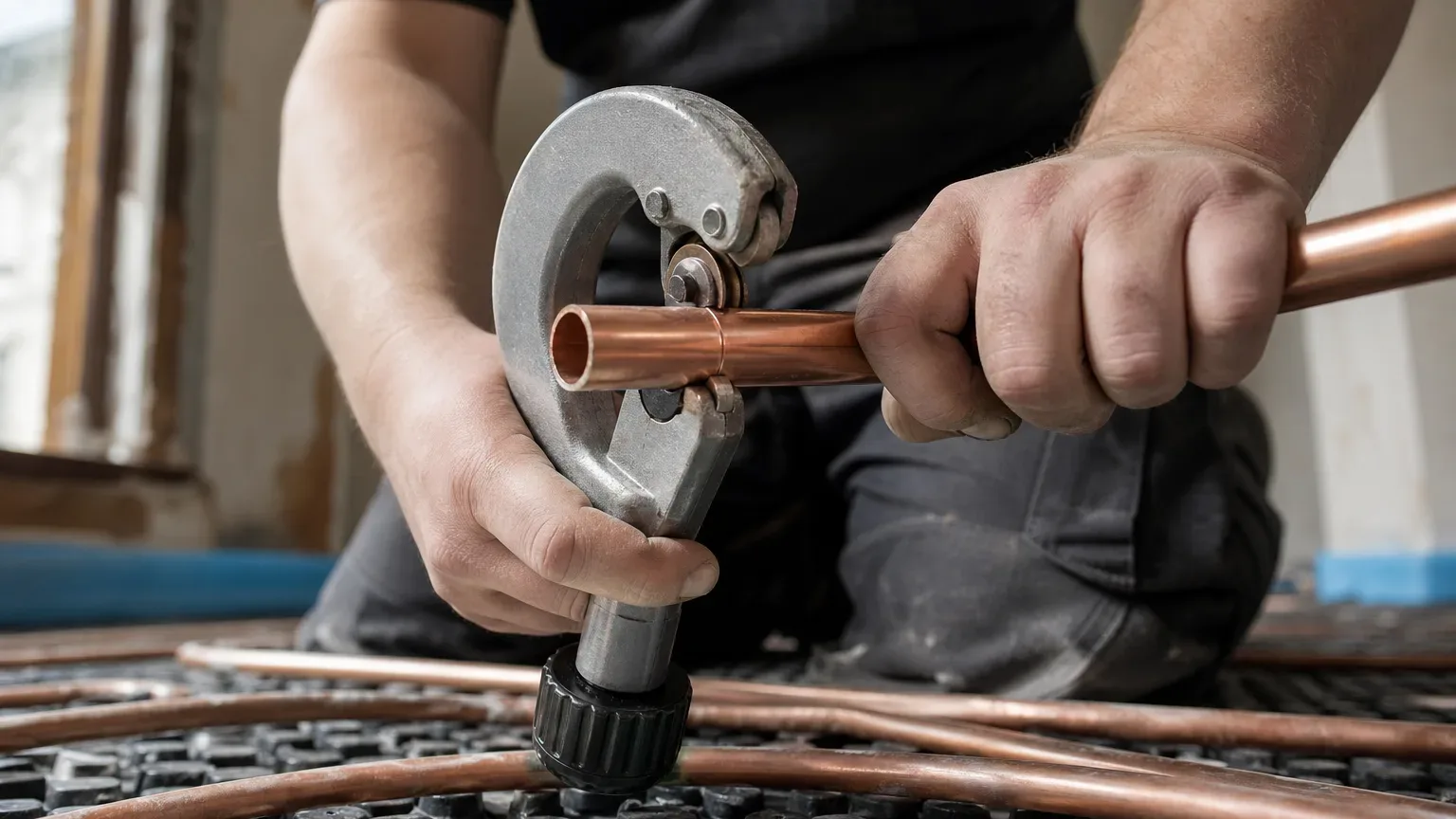
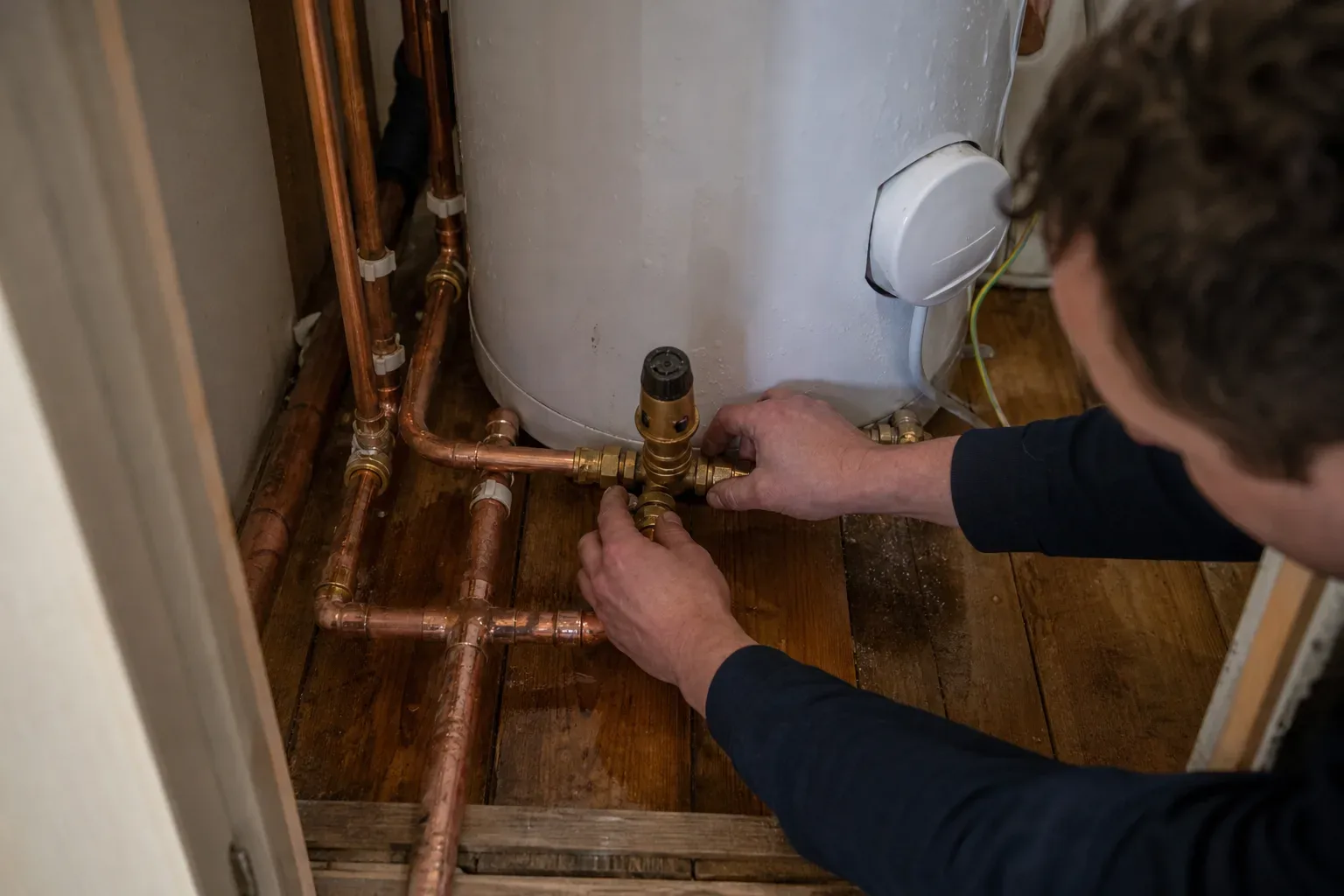
Wet systems connect to your boiler or heat pump and are plumbed into the central heating circuit. Installation involves laying pipework across the floor zone, either embedded in a screed layer or fixed to insulation boards between joists. The work is more involved than fitting radiators, and in a retrofit it typically means raising floor levels by 50–150 mm if you go the screed route, or working through the floor void if you have suspended timber floors.
The output is consistent and the running costs, once installed, are lower than electric over the long term. This makes wet UFH the preferred choice for whole-house or multi-room projects, particularly in new-builds or during major renovations.
Electric Underfloor Heating
Electric mats or loose cables sit directly under the floor finish, with no pipework involved. A competent installer can fit an electric system in a single room in a day. The floor level rises by as little as 3–5 mm, which makes it practical for bathroom or kitchen retrofits where you are already replacing tiles.
Running costs are higher than wet systems over time because electricity costs more per unit than gas. Electric UFH works best as a room-by-room comfort addition rather than the primary heat source for a whole property.
How Much Does Underfloor Heating Cost in Edinburgh?
Installation costs in Edinburgh range from £50 to £150 per square metre, with electric mat systems at the lower end and wet screed systems at the higher end. A typical bathroom electric mat covering 5–8 m² might cost £250–£600 for materials and installation combined. A wet system covering an open-plan kitchen and dining area of 30 m² could reach £1,500–£4,500 depending on the existing floor construction and whether a new manifold needs to be installed.
Those figures cover installation only. If your boiler needs upgrading to handle an additional heating zone, that is a separate cost. A new combi boiler installation in Edinburgh typically runs £2,000–£3,500, while a system or heat-only boiler sits in the £2,500–£4,500 range.
Insulation board beneath the pipework is not optional. Without it, heat travels downward and you pay to warm the subfloor rather than the room. Good installers include adequate insulation as standard; ask specifically if it is priced in.
Can You Retrofit Underfloor Heating in an Existing Edinburgh Property?
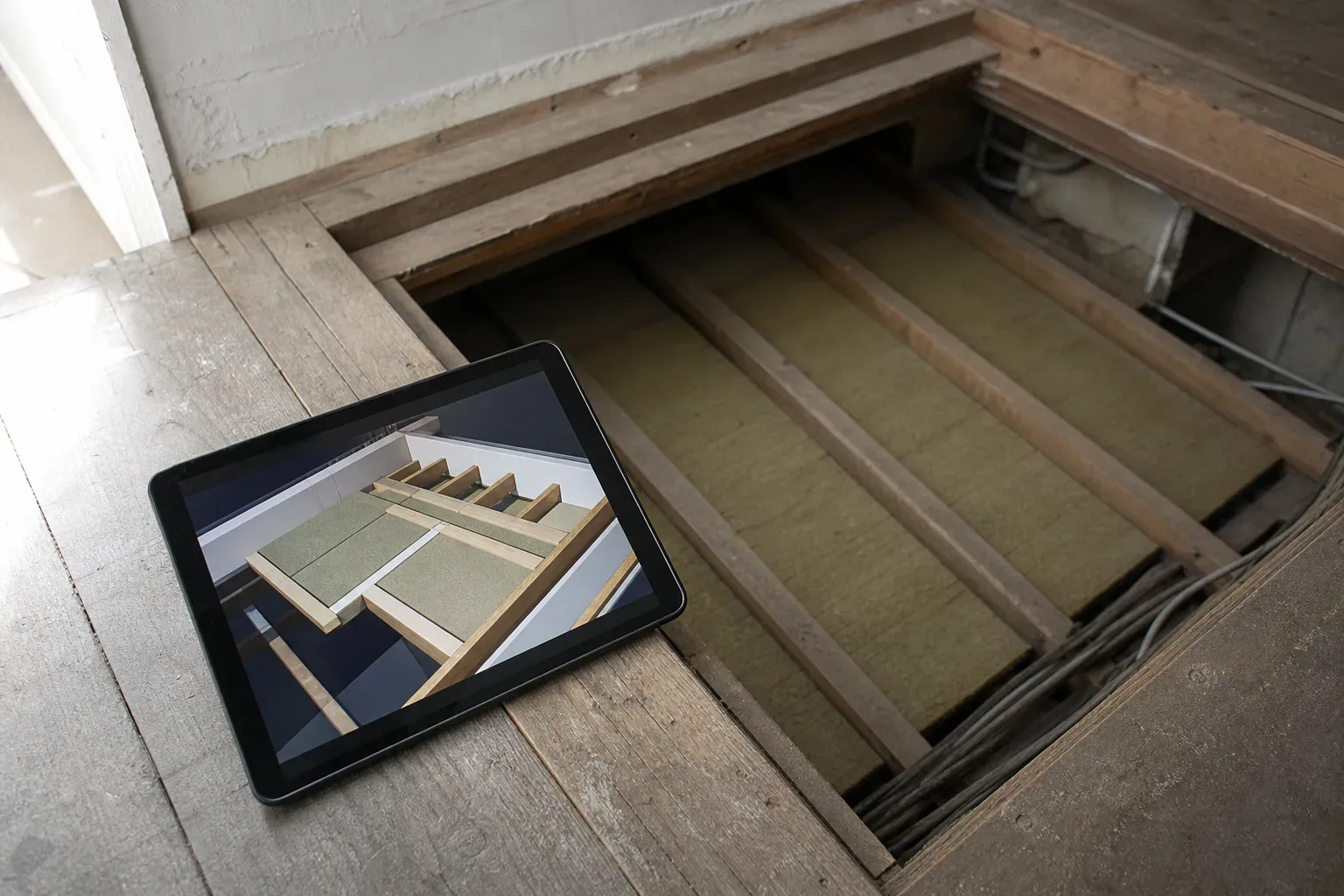
Yes, retrofit is possible in most Edinburgh homes, though the method depends heavily on your floor construction. Properties with suspended timber floors, common in tenements and Victorian terraces, are strong candidates for a low-profile wet system using aluminium-topped insulation panels that fit between or beneath the joists. No screed is needed, and floor levels stay largely unchanged.
Solid concrete ground floors are suited to screed-embedded wet systems or electric mats if you are retiling anyway. The main constraint is door clearance once the floor level rises. In older Edinburgh properties with high ceilings and original door heights, a 50–75 mm screed raise rarely causes problems. In lower-ceilinged extensions, it can.
For category B or C listed buildings, any structural change to floors requires a conversation with Edinburgh City Council's planning department before work begins. A good heating engineer will flag this during the survey stage rather than after.
Is Underfloor Heating Efficient?
Wet underfloor heating is more efficient than conventional radiators when paired with a modern condensing boiler or heat pump, because it distributes heat across a large surface area at a lower output temperature. A well-designed wet UFH system operates at a flow temperature around the mid-forties Celsius. That range suits a condensing boiler's efficiency sweet spot and aligns closely with the output of an air source heat pump, which makes UFH and heat pumps a natural pairing for Edinburgh homeowners looking to reduce gas dependence.
Electric systems are less efficient from a primary energy perspective, since electricity carries a higher carbon intensity and cost per unit than gas. However, pairing electric mats with a time-of-use tariff and running them during off-peak hours can narrow that gap meaningfully.
Thermal mass is a factor too. A wet screed system heats up slowly and cools slowly, so it suits properties with predictable occupancy patterns. Electric systems respond faster, which suits rooms used intermittently.
Flooring Compatibility
Not every floor finish works over underfloor heating. Stone and porcelain tiles are the most compatible: they conduct heat well and do not expand significantly with temperature changes. Engineered hardwood is suitable over UFH if the board is specified for the purpose and the system temperature is controlled carefully. Solid hardwood and thick floating laminates are more problematic because excessive movement can cause gaps or cupping.
Manufacturers of engineered boards will specify a maximum flow or surface temperature, often in the low-to-mid twenties Celsius at the floor surface. Your installer should confirm the system's output matches the flooring spec before laying begins. Getting this wrong means replacing both the floor finish and potentially the heating system.
Choosing an Installer in Edinburgh
Any installer working on the wet pipework connection to your boiler must be Gas Safe registered. The Gas Safe register is publicly searchable and you should verify any engineer's registration number before they start work. For electric systems, the installer should be a registered Part P electrician if they are carrying out the electrical connection.
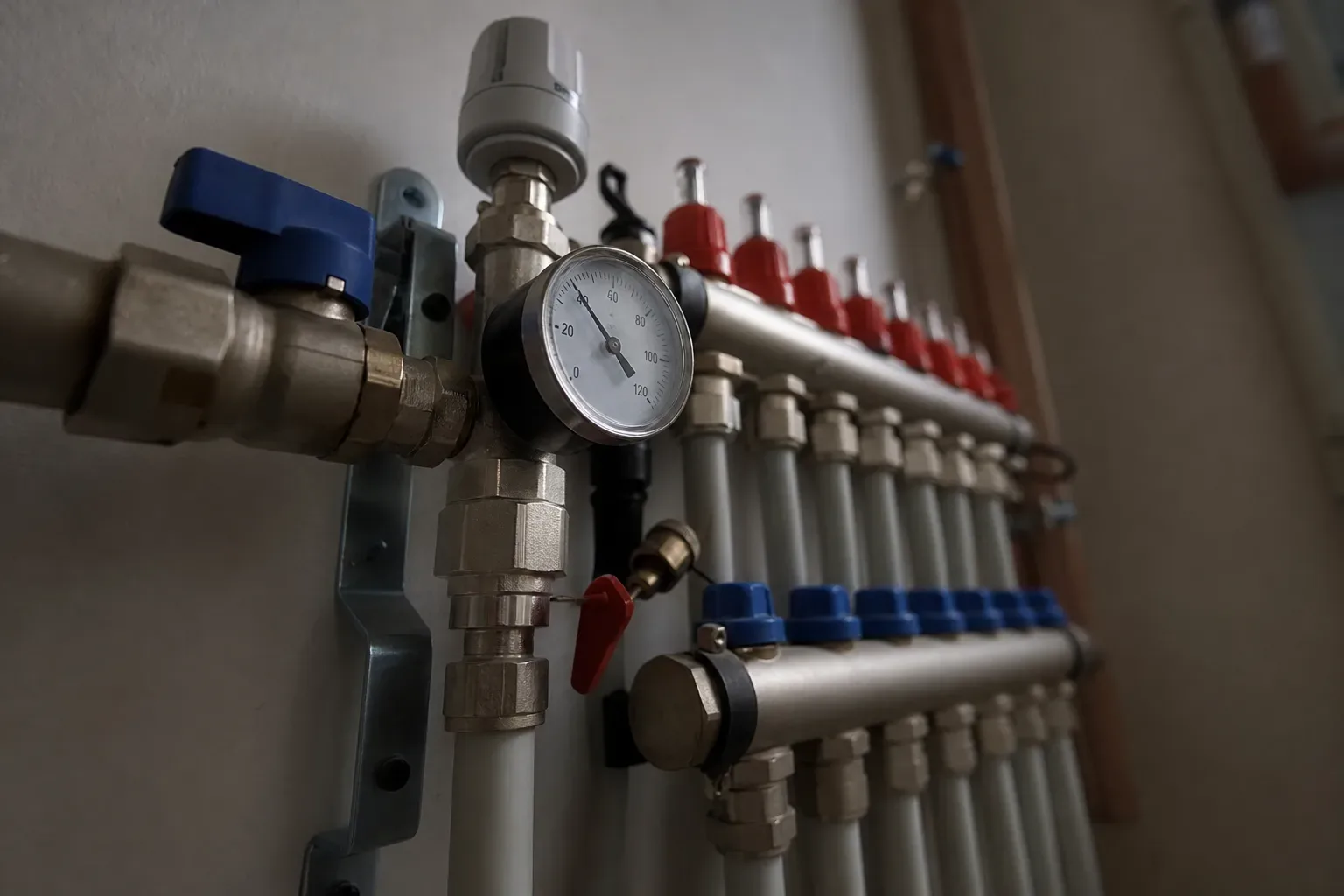
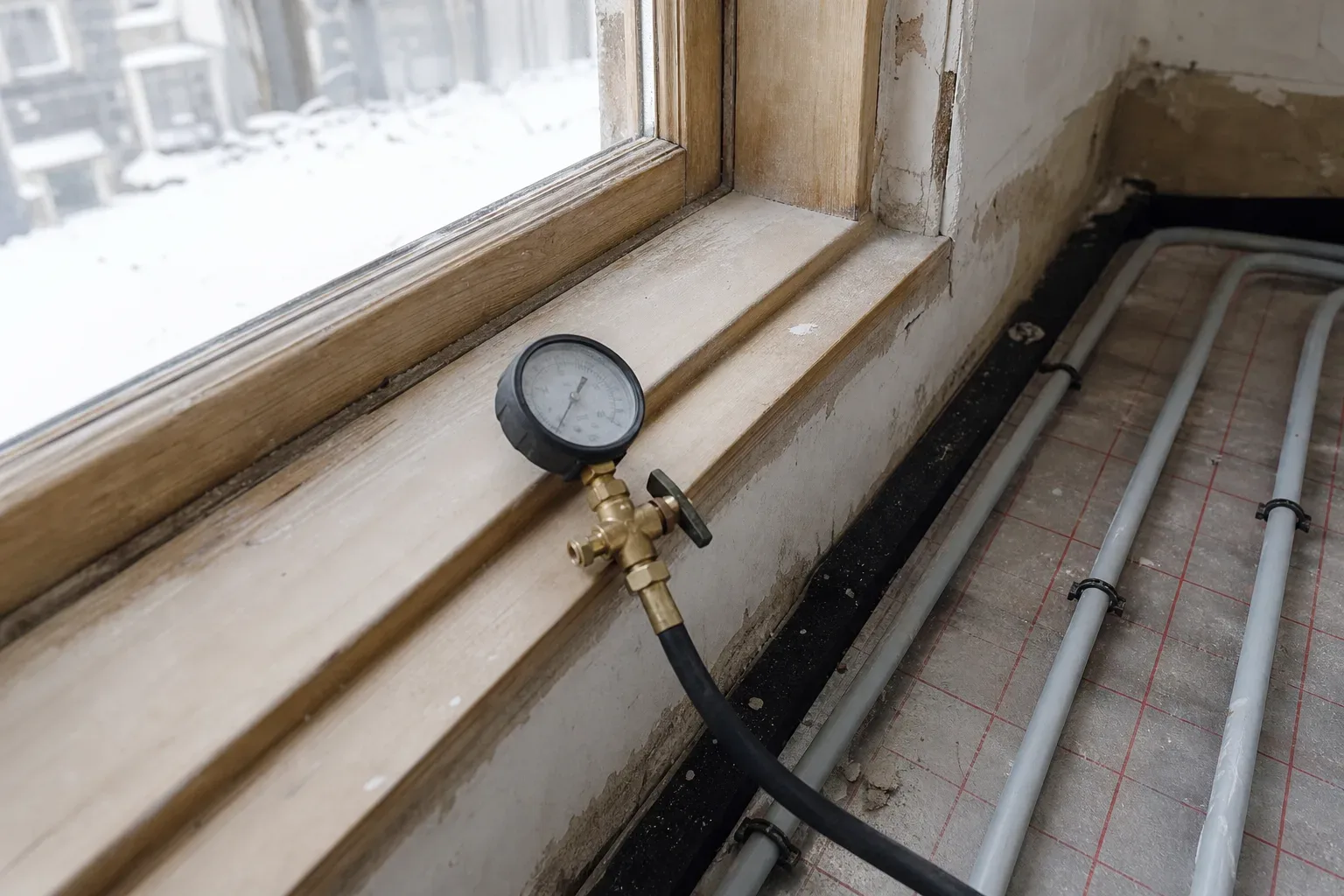
A proper installation includes a pressure test of the pipework, a written commissioning record, and clear instructions for the thermostat and manifold controls. Ask whether the installer offers ongoing servicing, since the boiler feeding a UFH system should still receive an annual service. In Edinburgh, a standard boiler service runs £80–£120, or £90–£130 combined with a Gas Safety Record (also known as a CP12) for landlords.
Get at least two quotes, and check that both are quoting to the same spec: same insulation depth, same pipe centres, same thermostat brand. A quote that looks low often omits insulation or uses a cheaper manifold that creates balancing problems later.
Frequently Asked Questions
What Should I Know About Underfloor Heating in Edinburgh?
Edinburgh homes range from Victorian tenements with suspended timber floors to modern new-builds with concrete slabs, and the right underfloor heating system depends on your floor construction. Wet systems suit whole-house projects and connect to your existing boiler or a heat pump, while electric mat systems are better for single-room retrofits like bathrooms. Any connection to a gas boiler must be carried out by a Gas Safe registered heating engineer. For listed buildings, check with Edinburgh City Council before altering floor structures.
How Much Does Underfloor Heating Cost in Edinburgh?
Installation costs run from £50 to £150 per square metre. Electric mat systems sit at the lower end and are suited to smaller rooms; wet screed systems sit at the higher end and are more cost-effective across larger areas. A bathroom electric mat installation might total £250–£600, while a wet system covering a large open-plan space could reach £1,500–£4,500. If your boiler needs upgrading to handle an extra zone, budget separately: a new combi boiler in Edinburgh typically costs £2,000–£3,500 fitted.
Can I Install Underfloor Heating in an Existing Property in Edinburgh?
Yes. Properties with suspended timber floors can use low-profile wet systems fitted between the joists, avoiding the need for a screed layer. Solid concrete floors suit either a screed-embedded wet system or electric mats if you are replacing the floor finish anyway. The main practical constraint is door clearance if the floor level rises. In listed buildings, any structural floor alteration requires planning consent from Edinburgh City Council, so confirm this before commissioning work.
Is Underfloor Heating Efficient?
Wet underfloor heating is more efficient than standard radiators when paired with a modern condensing boiler or heat pump, because the system distributes heat across a large surface area at a lower output temperature. This suits the efficiency range of condensing boilers and matches well with air source heat pumps. Electric systems cost more to run per unit of heat produced, but pairing them with an off-peak electricity tariff can reduce the gap. Thermal mass in a screed system means slower response times, so it suits homes with regular daily routines.
What Hardwood Flooring Options Are Available in Edinburgh?
Engineered hardwood boards are the most suitable timber option over underfloor heating, as the layered construction is more stable under temperature changes than solid hardwood. Solid hardwood and thick laminate boards can cup or gap if the surface temperature rises too high. When selecting a board, check the manufacturer's maximum surface temperature rating, usually in the low-to-mid twenties Celsius, and confirm your UFH system can be set to stay within that limit. Several Edinburgh flooring suppliers stock engineered boards specified for use over wet and electric systems.